
Get Better-Tasting Tap Water for Your Ellenton Home
When your tap water has a metallic aftertaste, a strong chlorine flavor, or an unpleasant sulfur smell, even simple tasks like filling a drinking glass or preparing a meal can become frustrating. For homeowners in Ellenton, Florida, these changes can be related to water chemistry, household plumbing, or the water treatment equipment already installed in the home.
Legend Plumbing Corp helps homeowners address bad tasting water by identifying potential causes and exploring suitable water filtration and treatment solutions. Whether the problem affects one faucet or every tap in your house, understanding where the taste originates is essential to choosing the right fix.
Our approach focuses on the actual water quality concern rather than recommending the same filtration equipment for every household. With the right assessment, you can make an informed decision about improving the taste and odor of your drinking water.
What Makes Tap Water Taste Bad in Ellenton?
Water can develop an unpleasant flavor for several reasons. Some substances occur naturally in groundwater, while others enter water through plumbing materials or are associated with municipal disinfection.
Metallic Taste From Minerals or Plumbing
A metallic flavor may indicate iron, copper, or manganese in the water. Corrosion of certain plumbing components can also contribute to unusual tastes.
Depending on the source, you might notice reddish-brown marks in sinks, blue-green staining around fixtures, or dark deposits. These signs can help identify a potential issue, but water testing is needed to determine the actual cause.
If your Ellenton home’s water consistently tastes metallic, professional testing can help establish whether the problem originates in the incoming supply or inside the plumbing system.
Chlorine Flavor in Drinking Water
Municipal water is disinfected to help control harmful microorganisms. Chlorine and other disinfectants can sometimes leave a noticeable flavor or odor, even when used as part of an appropriate treatment process.
Activated carbon filtration may help reduce chlorine taste when the selected filter is designed for that purpose. The correct system depends on the disinfectant involved and the water quality requirements of your household.
Sulfur Taste and Rotten Egg Odor
A rotten egg smell may be associated with hydrogen sulfide, which can occur naturally in groundwater. The problem is particularly relevant to homes that rely on private wells.
If the odor appears mainly when you turn on a hot water faucet, your water heater may be contributing to the issue. Comparing hot and cold water can help narrow down the possibilities before treatment is selected.
Earthy, Musty, or Bitter Water
An earthy or musty flavor can be associated with naturally occurring organic compounds or changes in the water source. Bitter water may be linked to dissolved minerals or other changes in water chemistry.
Because different substances can produce similar symptoms, the taste alone cannot reliably identify the cause. Testing helps determine whether a particular filtration or treatment method is appropriate.
Salty Water Taste
A salty flavor may indicate elevated dissolved salts, including chloride, or another change in water chemistry. The source could involve groundwater conditions or a household plumbing or treatment issue.
A water test can help identify the substances responsible and guide the selection of a suitable treatment system.
How to Tell Where the Water Taste Problem Starts
Before installing a new filter, look for patterns that may help distinguish a supply issue from a localized plumbing problem.
Check More Than One Faucet
If the water tastes unusual at every faucet, the issue may involve the incoming water supply, the main plumbing system, or existing treatment equipment.
If the taste occurs at only one sink, inspect the faucet and aerator and consider whether the problem is isolated to that fixture.
Compare Hot and Cold Water
A problem that occurs only in hot water may be related to the water heater, sediment accumulation, or associated plumbing components.
If both hot and cold water have the same unpleasant taste, the incoming supply or another shared part of the plumbing system may warrant investigation.
Avoid drinking or cooking with hot tap water when investigating a possible plumbing-related contamination concern. Use cold water from a suitable drinking-water tap.
Notice Whether the Problem Appeared Suddenly
Changes following plumbing repairs, water heater maintenance, or water supply work may provide useful clues.
If several households in Ellenton report similar symptoms, contact your water supplier to ask about recent maintenance or water quality notices.
Do not assume a sudden change is harmless. If the water has an unusual chemical taste, unexplained discoloration, or a suspected contamination issue, follow local public health guidance and arrange appropriate testing.
Water Filtration and Treatment Options for Ellenton Homes
The best way to improve water taste depends on which substances are present. A filtration system should be selected according to verified water conditions, not simply because it is marketed as a general-purpose purifier.
Activated Carbon Filtration Systems
Activated carbon filters are commonly used to reduce chlorine taste and odor. Depending on the specific product, they may also reduce certain organic compounds that affect the flavor of drinking water.
These systems are available as under-sink filters, countertop units, and whole-home installations.
For homeowners who mainly notice a chlorine flavor, carbon filtration may be a practical option. Check the manufacturer’s contaminant reduction claims and certification before choosing a product.
Whole-Home Water Filtration
A whole-home system treats water as it enters the property, providing filtration to connected faucets and fixtures.
Depending on the home’s water quality, the system may use sediment filtration, carbon media, or specialized treatment components.
This approach may be suitable when the unpleasant taste affects multiple areas of the house. However, a standard whole-home filter does not necessarily remove every dissolved contaminant, so proper system selection is important.
Reverse Osmosis for Drinking Water
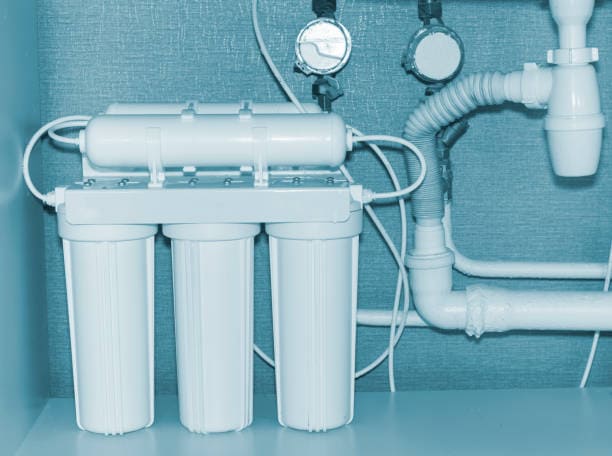
Reverse osmosis uses a semipermeable membrane to reduce many dissolved substances in water. An under-sink system can provide treated water through a dedicated drinking-water faucet.
It may be appropriate when testing identifies dissolved contaminants that the selected reverse osmosis system is certified to reduce.
Maintenance is essential. Filters and membranes must be replaced according to manufacturer recommendations, and the system should be matched to the incoming water conditions.
Specialized Mineral and Sulfur Treatment
If testing identifies elevated iron, manganese, hydrogen sulfide, or another specific contaminant, a dedicated treatment system may be more effective than a basic carbon filter.
Depending on the water chemistry, treatment can involve oxidation, aeration, specialized filtration media, or a combination of processes.
The goal is to address the identified substance without adding unnecessary equipment or expense.
Water Heater Inspection
When the unpleasant taste or odor is limited to hot water, inspecting the water heater may help identify the problem.
Sediment, corrosion, and anode rod reactions can sometimes contribute to water odor. A qualified plumber can assess the equipment and determine whether maintenance or repair is appropriate.
Why Water Testing Matters Before Choosing a Filter
Two homes in the same Ellenton neighborhood can experience different water quality problems. The incoming supply, plumbing materials, existing filtration equipment, and water usage patterns may all influence the result.
Testing helps determine which treatment method is likely to be effective.
A water quality assessment may consider:
-
The source of the home’s water, including municipal supply or a private well.
-
The taste and odor characteristics reported by the homeowner.
-
Whether the problem affects hot water, cold water, or both.
-
Signs of sediment, staining, corrosion, or discoloration.
-
Relevant contaminants that require laboratory testing.
Testing should be appropriate for the suspected contaminant. If lead, bacteria, or another health-related contaminant is a concern, use a qualified laboratory and suitable testing methods.
It is also important to remember that clear, pleasant-tasting water is not automatically safe. Some harmful contaminants cannot be detected through taste or smell alone.
Legend Plumbing Corp can help homeowners evaluate water quality concerns and determine which plumbing or treatment options may be suitable for their situation.
Bad Tasting Water Treatment Services in Ellenton, Florida
Water quality concerns in Ellenton can vary from property to property. Natural groundwater conditions, municipal disinfection, private well characteristics, and household plumbing can all affect how water tastes and smells.
For this reason, homeowners should avoid assuming that every unusual flavor is caused by hard water or that a water softener will resolve the problem. Water softeners primarily address hardness minerals, while chlorine taste, sulfur odor, and other contaminants may require different treatment methods.
Legend Plumbing Corp helps homeowners in Ellenton, Florida, explore solutions for unpleasant tap water, including appropriate filtration options and plumbing assessments.
Whether your concern involves a metallic aftertaste, a chlorine flavor, or an odor that appears when using hot water, identifying the underlying cause is the first step toward a lasting solution.
Why Choose Legend Plumbing Corp?
Water Treatment Recommendations That Fit Your Needs
A treatment system should address the actual water quality issue. Understanding the symptoms and testing results helps determine whether filtration, specialized treatment, or plumbing repairs are appropriate.
Professional Plumbing Knowledge
Water taste problems can originate from several parts of a home’s plumbing system. A professional assessment can help narrow down the possibilities and identify the next steps.
Options for Different Water Quality Concerns
Depending on the findings, suitable solutions may include activated carbon filtration, reverse osmosis, specialized contaminant treatment, or water heater maintenance.
Clear Information Before You Invest
Before selecting a water treatment system, it is important to understand what it is designed to reduce, its maintenance requirements, and its ongoing operating costs. These details help homeowners make more informed decisions.
Frequently Asked Questions About Bad Tasting Water
What causes bad tasting water in Ellenton, Florida?
Possible causes include dissolved minerals, chlorine or other disinfectants, sulfur compounds, corrosion in plumbing, and changes in water chemistry. Testing helps determine which cause is most likely.
What is the best water filter for bad tasting tap water?
The best filter depends on the problem. Activated carbon can reduce certain chlorine-related tastes, while reverse osmosis can reduce many dissolved substances. Iron, sulfur, and other specific issues may require specialized treatment.
Is bad tasting water safe to drink?
Not necessarily. An unpleasant taste does not automatically mean water is unsafe, but some contaminants can affect health without changing taste, odor, or appearance. If you suspect contamination, avoid relying on taste alone and follow appropriate testing and public health guidance.
Why does my water taste different in the morning?
Water that sits in household pipes for several hours may develop a different taste because of contact with plumbing materials or other localized factors. If the taste persists after normal use or is accompanied by discoloration or an unusual odor, investigate the cause.
Why does only my hot water taste or smell bad?
A problem limited to hot water may be related to the water heater, sediment, corrosion, or anode rod reactions. A plumbing inspection can help determine whether maintenance or another solution is needed.
Will a water softener remove bad taste?
A conventional water softener reduces calcium and magnesium, which cause hardness. It is not designed to address every taste problem. The appropriate solution depends on the substances responsible for the flavor.
How much does water filtration installation cost in Ellenton?
The cost depends on the type of treatment system, the home’s water conditions, installation requirements, and ongoing maintenance needs. An assessment can help establish which equipment and services are appropriate.
How often should a water filter be replaced?
Replacement schedules vary by system, filter type, water quality, and usage. Follow the manufacturer’s maintenance instructions to help ensure the equipment continues to perform as intended.
Schedule Bad Tasting Water Treatment in Ellenton
Unpleasant tap water can affect drinking, cooking, and everyday household routines. The most effective solution begins with identifying the cause and selecting a treatment method designed for that specific problem.
Legend Plumbing Corp helps homeowners in Ellenton, Florida, investigate water taste concerns and explore appropriate filtration and plumbing solutions.
Contact Legend Plumbing Corp to discuss your water quality concerns and arrange a consultation.
Call 941-909-8608 to get started.
Signs Your Ellenton Florida Home’s Water Has a Taste Problem
The Taste
-
Metallic or bitter taste
-
Chlorine or chemical taste
-
Sulfur or rotten egg taste
-
Earthy or musty taste
-
Salty taste
-
Taste that changes depending on the time of day
Other Signs
-
Unpleasant smell accompanying the taste
-
Staining on fixtures or laundry
-
Cloudy or discolored water
-
Taste that’s worse in hot water than cold
-
Taste that comes and goes
Location-Specific Clues in Ellenton Florida
-
The taste may vary by season
-
May be worse after heavy rain or drought
-
May be more noticeable in certain neighborhoods
-
May change after water main work in your area
Why Bad Taste Can Come and Go in Ellenton Florida
Seasonal Changes
Ellenton Florida’s water quality can change with the seasons. Rainfall affects groundwater levels and can change mineral concentrations.
Water Usage Patterns
Water that sits in pipes can develop flavors from the pipes themselves. The taste may be stronger after your water has been sitting overnight.
Temperature Changes
The temperature of water affects how we perceive taste. Cold water can mask some flavors, while warm water can make them more noticeable.
Municipal Water Changes
Water treatment plants sometimes adjust their processes. These changes can affect the taste of your water.
Plumbing Changes
Changes in your plumbing system, such as new fixtures or repairs, can affect water taste.

DIY Troubleshooting Steps for Ellenton Florida Homeowners
Test Cold vs. Hot Water
Taste both cold and hot water separately. If the taste is only in hot water, the issue is likely your water heater. If it’s in both, the problem is in your water supply.
Check Multiple Faucets
Taste water from different faucets. If it’s only at one faucet, the issue may be localized to that fixture.
Run the Water
If the taste fades after running water for a few minutes, you may be dealing with stagnant water in pipes. This is common in homes with infrequent water usage.
Check Your Water Heater
If the taste is worse in hot water, your water heater may be the source. Sediment buildup or a failing anode rod can affect taste.
Inspect Your Pipes
Older pipes, especially galvanized steel or lead, can affect water taste. If you have older plumbing, this could be the cause.
Test the Water
A simple water test can identify what’s causing the taste. Contact us for professional water testing.
Bad Tasting Water Treatment Options for Ellenton Florida Homes
Carbon Filtration
Carbon filters are the most common solution for bad tasting water. They remove chlorine, sediment, and many contaminants that affect taste.
Best For: Chlorine taste, earthy taste, chemical taste
How It Works: Water flows through activated carbon media that traps contaminants
Benefits: Simple, effective, improves taste noticeably
Limitations: Filter media needs regular replacement
Reverse Osmosis
Reverse osmosis removes a wide range of contaminants, including minerals that cause metallic taste and other issues.
Best For: Metallic taste, salty taste, multiple taste issues
How It Works: Water passes through a membrane that traps contaminants
Benefits: Highly effective, removes many contaminants
Limitations: Only treats water at one faucet
Water Softeners
Water softeners remove hard water minerals that can affect taste. They’re especially effective for metallic taste caused by iron.
Best For: Metallic taste from iron and hard water minerals
How It Works: The resin bed removes calcium, magnesium, and iron
Benefits: Addresses hard water and taste issues
Limitations: Doesn’t remove chlorine or other taste issues
Why Choose Legend Plumbing for Bad Tasting Water Treatment in Ellenton Florida
Local Experts
We understand Ellenton Florida water quality challenges, including the specific causes of bad tasting water in our area. Visit our Water Quality Services page to learn more.
Licensed Professionals
Every plumber on our team is fully licensed and insured. You can trust your installation is done right. Explore our Plumbing Repair and Residential Plumbing Services pages for our full range of expertise.
Honest Pricing
We provide clear estimates with no hidden fees. You’ll know the cost before we start.
Quality Products
We recommend proven water treatment systems from quality manufacturers. We stand behind the products we install.
Complete Service
From testing to installation to ongoing maintenance, we’re your complete water treatment resource.
Service Areas
We proudly provide bad tasting water treatment services throughout Ellenton Florida and the surrounding communities.
Sarasota County
Manatee County
Frequently Asked Questions About Bad Tasting Water in Ellenton Florida
What causes bad tasting water in Ellenton Florida?
Bad taste can come from minerals like iron and copper, chlorine used in treatment, sulfur compounds, or organic matter. Ellenton Florida’s geology and water treatment processes contribute to taste issues.
Is bad tasting water dangerous?
In most cases, no. Many taste issues come from minerals that are not harmful at the levels typically found in drinking water.
Why does my water taste like metal?
Metallic taste often comes from dissolved iron, copper, or manganese in your water. These minerals naturally occur in the aquifer and can be picked up as water flows through pipes.
Why does my water taste like chlorine?
Chlorine is added to municipal water for disinfection. High levels can make water taste like a swimming pool. Carbon filtration effectively removes chlorine taste.
Why does my water taste like sulfur?
A sulfur taste is caused by hydrogen sulfide gas, which occurs naturally in groundwater. This is more common in well water but can also affect municipal water.
Why does my water taste better after running?
Water that sits in pipes can develop flavors from the pipes themselves. Running water flushes out this stale water and brings in fresh water from the main supply.
Do I need to treat my whole house or just my drinking water?
If the taste is in all your water, whole-house treatment is usually recommended. If it’s only at one faucet, point-of-use treatment like reverse osmosis may work.