There’s a point where repairing pipes stops making sense. When you’ve had a pinhole leak fixed twice in one year, and a third one shows up in a different wall. When water pressure has dropped at every fixture and no single repair brings it back. When the water runs brown in the morning no matter how many times you’ve flushed the lines. That’s the point where the pipes themselves — not the individual leaks — are the problem.
Legend Plumbing provides repiping services for homes throughout Sarasota and the surrounding area. We replace failing supply lines with modern materials that handle Sarasota’s water and climate conditions. For leaks that haven’t yet reached the replacement stage, our leak detection team can find the source. For pipes under slabs, our slab leak repair service may be the right first step.
Why Sarasota Homes Need Repiping
Very Hard Water Corrodes Pipes From the Inside
Sarasota’s water comes from the Floridan Aquifer, and it’s very hard — around 12.7 grains per gallon. That mineral content reacts with metal pipes over years. Copper develops pinhole leaks. Galvanized steel rusts from the inside out. The damage happens on the interior of the pipe, so the outside can look fine while the inside is nearly closed off. By the time water pressure drops or discoloration shows up, the pipe is already failing system-wide.
Sandy Soil Stresses Buried Lines
Sarasota’s sandy coastal soil shifts when heavy rains move through it. That movement stresses pipe joints and can cause them to separate or crack. Homes that held up for decades develop leaks after a particularly wet season. Repairs fix the immediate problem, but the underlying soil movement continues.
Older Homes Have Older Pipes
Homes built before 1970 may still have original galvanized steel supply lines. Homes built between the late 1970s and 1995 may have polybutylene supply lines. Both materials have exceeded their expected service life. Galvanized steel has been corroding for decades. Polybutylene becomes brittle over time and can fail without warning. Neither material is worth repairing once it starts failing throughout the home.
Signs Your Home Needs Repiping
Water Pressure That’s Dropped Everywhere
If one faucet has weak flow, that’s a fixture problem. If every fixture in the house has weak flow, that’s a pipe problem. Corrosion and scale buildup inside the pipes are narrowing the passage that water flows through. A repair in one section doesn’t fix the rest.
Discolored Water Throughout the House
Rust-colored water from a single faucet is often a localized issue. Rust-colored water from every tap is a sign the pipes themselves are corroding. This is common in homes with galvanized steel plumbing.
Water That Tastes Metallic
Even after running the tap, water that has a persistent metallic taste often points to corroding pipes. The water is picking up metals from the pipe walls as it flows.
Multiple Leaks in a Short Period
One leak is a repair. Two or three leaks in the same year — especially in different parts of the house — means the pipes are failing faster than they can be repaired. Each repair is a temporary fix that buys time until the next failure.
Pipes That Are Visibly Corroded
If exposed pipes in the basement or crawl space show visible rust, flaking, or discoloration, the interior of the pipe is likely worse. A camera inspection shows the actual condition.
Plumbing That’s 30+ Years Old
If the home has never been repiped and the plumbing is more than 30 years old, replacement is often the better long-term investment even if there aren’t obvious signs yet.
What Repiping Involves
Assessment First
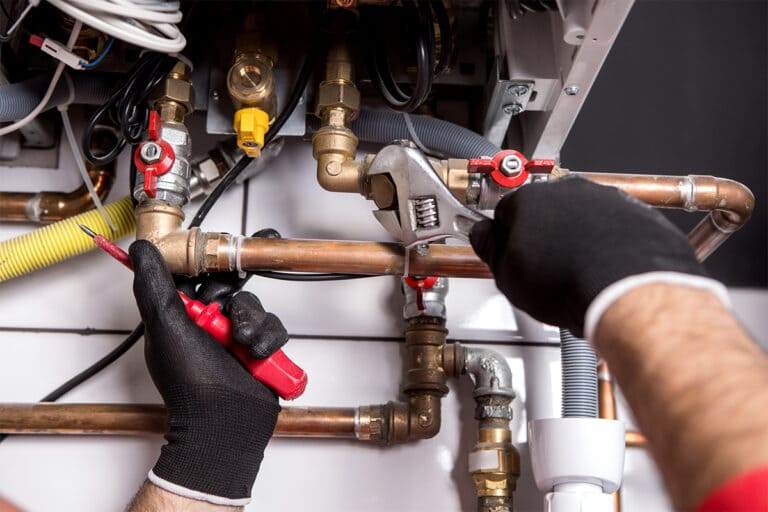
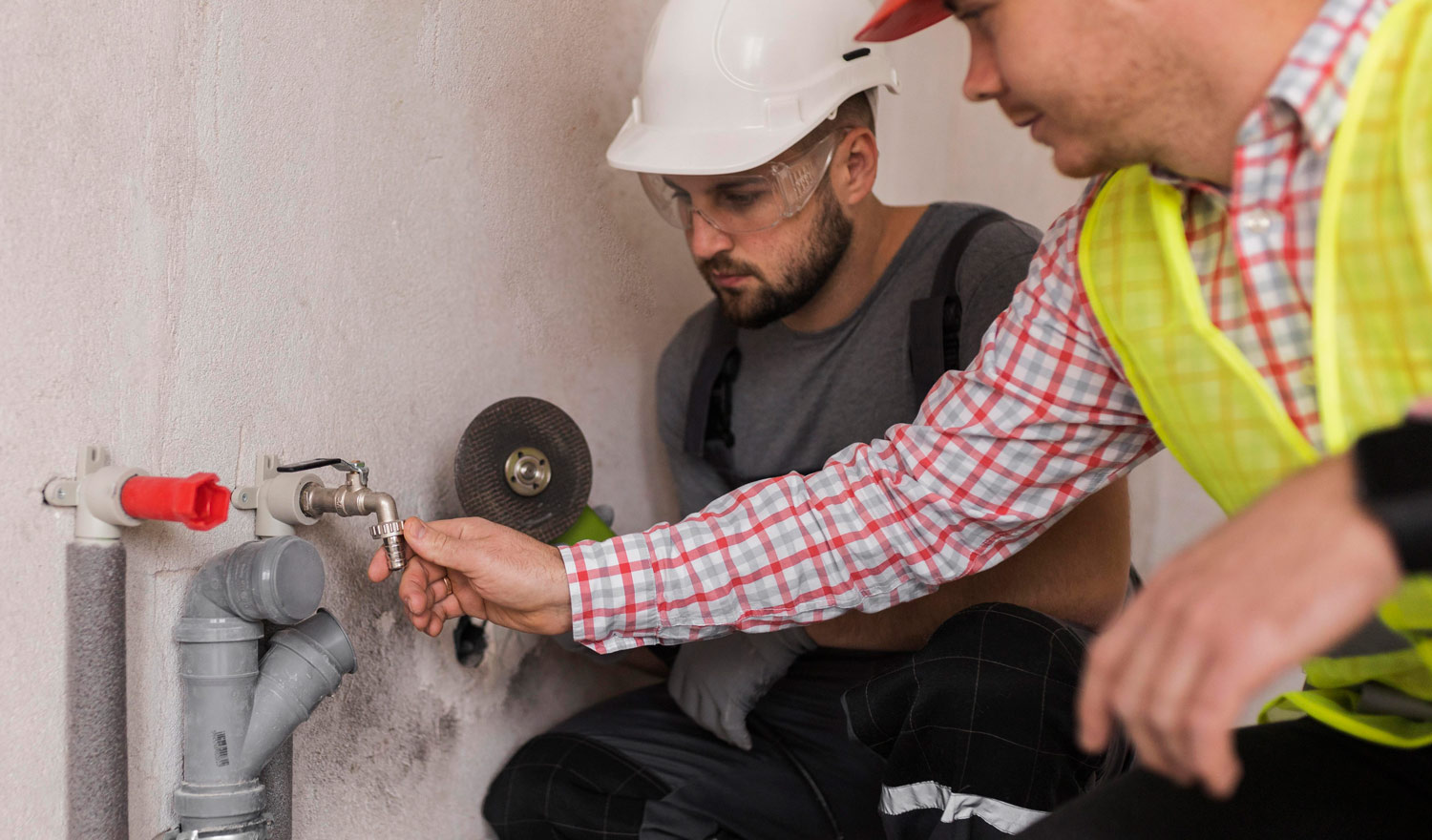
We start by inspecting the existing plumbing. That includes identifying pipe material, checking water pressure at multiple fixtures, and running a camera through accessible lines to see the condition. The assessment tells us the scope of the work.
Material Selection
Modern repiping uses PEX or copper. PEX is flexible, resists scale buildup, handles temperature changes well, and can be installed with fewer joints — which means fewer potential leak points. Copper is rigid, durable, and often preferred where code or existing infrastructure calls for it. We discuss the options and recommend what fits your home.
Planning the Installation
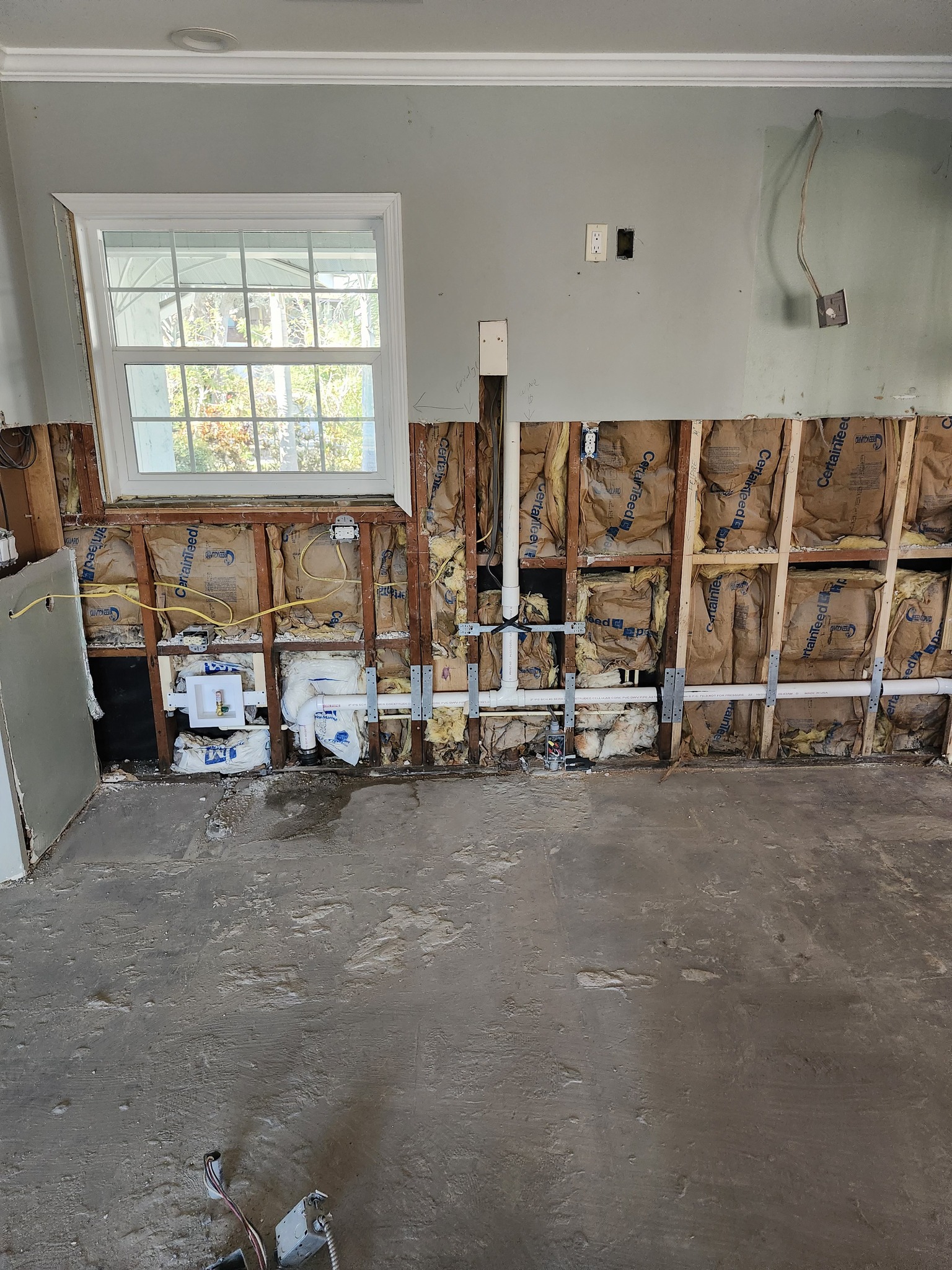
For a full repipe, we plan how to route new lines with minimal wall and floor damage. In many cases, the new lines can run through the attic or along existing chases to reduce drywall work. For partial repipes, we focus on the sections that are failing.
Installation
The old pipes are disconnected, and new lines are installed. In most cases, the old pipes are left in place when removing them would require excessive demolition — they’re simply bypassed. Water service is restored at the end of each workday whenever possible.
Testing and Verification
After installation, we test pressure at multiple fixtures, check all connections for leaks, and confirm water quality. If drywall was opened for access, we patch and prepare it for paint. Our plumbing repair team handles any minor repairs that come up during the project.
How Long Repiping Takes
Most residential repipes take two to five days, depending on the size of the home and the extent of the work.
-
Partial repipe (one section or one floor) — often completed in one to two days.
-
Full repipe of a single-story home — typically two to four days.
-
Full repipe of a two-story home or home with complex plumbing — typically four to seven days.
We schedule the work to minimize days without water service. When possible, water is restored at the end of each workday. For multi-day projects, we set clear expectations about which days water will be interrupted and for how long.
What Happens After Repiping
Water Pressure Improves
New pipes don’t have the scale buildup or corrosion that the old lines had. Water pressure at fixtures returns to the level the system was originally designed for.
Water Quality Improves
No more rust, no more metallic taste from corroded pipes. The water that reaches your fixtures is coming through clean lines.
Water Heater Performance Improves
With clean supply lines feeding the water heater, the unit doesn’t have to work around scale and debris coming from the plumbing. Our water heater repair team can also assess whether the heater itself needs attention.
Fewer Emergency Repairs
The pattern of “one leak, then another, then another” stops. The pipes aren’t the problem anymore.
Residential and Commercial Repiping
Residential
Home repipes are usually driven by aging materials, repeated failures, or water quality issues. The priority is completing the work efficiently while protecting the home from damage. Our residential plumbing services team handles residential repiping.
Commercial
Commercial buildings have larger, more complex systems. Repiping may be done in phases to keep business operations running. Our commercial plumbing services team handles commercial repiping projects.
Why Legend Plumbing Is the Right Choice for Repiping Services in Sarasota Florida
Honest Assessments, No Pressure. We don’t sell repiping to homeowners who don’t need it. If targeted repairs will serve you well, we’ll recommend them. If repiping is genuinely the best long-term solution, we’ll show you exactly why with photographic evidence, pressure measurements, and clear explanations. You make the decision with complete information.
Minimally Invasive Installation. We understand that the thought of opening walls throughout your home is daunting. Our repiping team uses strategic access techniques that minimize the number and size of wall openings. We can often route new PEX lines through attics, crawl spaces, and existing plumbing chases, reducing the impact on finished surfaces. When wall access is necessary, we make clean, precise cuts that simplify drywall repair.
AREA WE SERVED
Legend Plumbing provides repiping services throughout Sarasota County and the surrounding area. If you’re in one of these communities, we’re within reach:
Not sure if we serve your area? Reach out and ask.
Other Services We Provide
Along with repiping services, Legend Plumbing handles:
-
Pipe Repair — damaged pipe repairs
-
Slab Leak Repair — leaks under concrete slabs
-
Leak Detection — finding hidden leaks
-
Plumbing Repair — general plumbing repairs
-
Water Heater Repair — tank and tankless systems
-
Water Heater Installation — new water heater installation
-
Tankless Water Heater Installation — tankless systems
-
Drain Cleaning — routine drain maintenance
-
Clogged Drain Repair — for stubborn clogs
-
Sewer Line Repair — damaged sewer lines
-
Hydro Jetting — high-pressure drain cleaning
-
Toilet Repair — toilet fixes and replacements
-
Faucet Repair — faucet repairs and installations
-
Garbage Disposal Repair — disposal fixes
-
Residential Plumbing Services — household plumbing
-
Commercial Plumbing Services — commercial plumbing needs
-
Emergency Plumber — urgent service when problems can’t wait
Questions About Repiping in Sarasota
How do I know if I need repiping or just a repair?
If the same problem keeps coming back — multiple leaks, persistent low pressure, or ongoing water discoloration — the pipes are failing system-wide. Repairs fix one section at a time. Repiping replaces the whole system. A camera inspection confirms the condition.
How long does repiping last?
PEX and copper piping typically last 50 years or more. That’s a significant improvement over galvanized steel, which often fails in 30 to 40 years, or polybutylene, which can fail much sooner.
Will repiping damage my walls and floors?
Some access is usually needed, but we plan the routing to minimize it. In many cases, new lines can be routed through the attic or existing chases to reduce drywall work. We patch what we open and prepare it for paint.
Can I stay in my home during a repipe?
Yes. Most homeowners stay in the home during the work. Water service is restored at the end of each day whenever possible, and we schedule around your household’s needs.
How much does repiping cost in Sarasota?
Costs depend on the size of the home, the materials used, and the complexity of the routing. Contact us for an estimate based on your specific project.
Is PEX or copper better?
Both work well. PEX is flexible, resistant to scale, and installs with fewer joints — which means fewer potential leak points. Copper is rigid, durable, and often used where existing infrastructure or code calls for it. We recommend the best fit for your home.