
Leak Detection in Longboat Key Florida, Florida
Some leaks announce themselves. Water pooling under the sink. A ceiling stain that keeps growing. A water bill that jumped for no reason. Others stay hidden for weeks, quietly damaging framing, drywall, and flooring before anyone notices.
Legend Plumbing provides leak detection services in Longboat Key Florida and the surrounding area. We find where the water is coming from and fix it — without tearing apart your home to do it. For hidden leaks under slabs, see our slab leak repair page. For general plumbing repairs, our plumbing repair team can help.
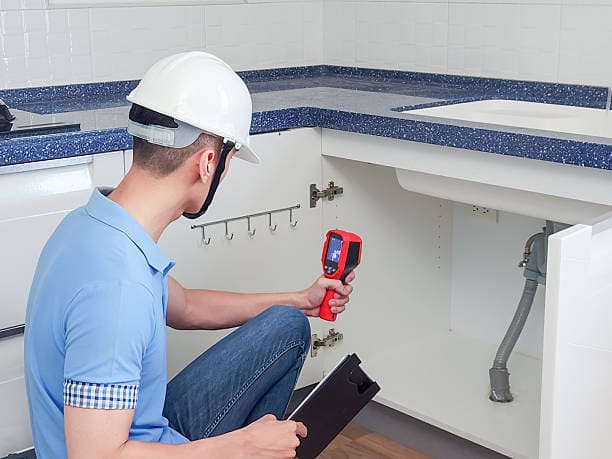
Signs You Have a Leak Somewhere in Longboat Key Florida
Not every leak is obvious. These are the signals that usually point to one.
Water Bill That Doesn’t Match Usage
If your water bill climbed but nothing changed in your household, water is going somewhere. That’s one of the clearest signs of a hidden leak.
Sound of Running Water When Everything Is Off
Stand in a quiet room. If you hear water moving when no fixture is on and no appliance is running, water is escaping somewhere in the system.
Warm Spots on the Floor
A hot water line leaking under a slab warms the floor above it. If one area of your floor feels warmer than the rest, that’s a clue.
Musty Smell or Mold Growth
Persistent moisture creates the conditions for mold. If you notice a musty odor in a room with no obvious water source, a hidden leak may be the cause.
Stains or Bubbling on Walls and Ceilings
Water behind drywall or paint shows up as discoloration, bubbling, or peeling. The stain is the symptom. The leak is the cause.
Unexplained Moisture in the Yard
Soggy patches that don’t dry out, or grass that stays greener than the rest of the lawn, can point to an underground line leak.
When the Leak Is Under a Slab
Slab leaks are common in Longboat Key Florida because of the soil conditions and the age of some plumbing systems. Water under the slab can run for months before it surfaces.
Signs of a slab leak include:
-
Warm spots on the floor with no other explanation
-
The sound of running water when fixtures are off
-
Cracks in the floor or foundation
-
A water bill that keeps climbing
-
Unexplained moisture along the baseboards
If we suspect a slab leak, we use non-invasive methods to confirm it before any concrete is opened. Once confirmed, our slab leak repair team handles the repair.
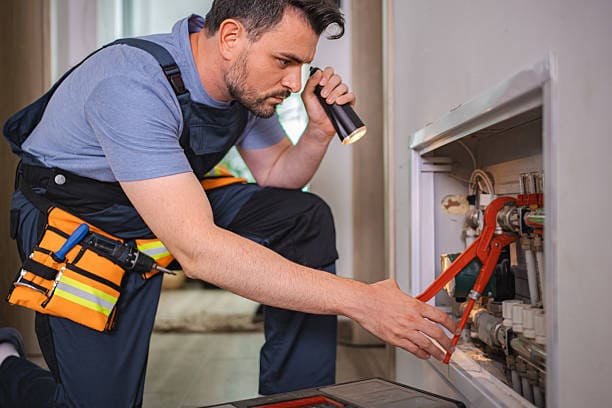
How We Find Leaks in Longboat Key Florida Homes
We start by narrowing down where the water is coming from. That means checking the system methodically, not guessing.
Water Meter Test
The first step is often the water meter. With every fixture off, we watch the meter to see whether water is still moving through the system. If it is, there’s a leak somewhere on the supply side. This test tells us whether the problem is real before we do anything else.
Pressure Testing
We isolate sections of the plumbing and test them individually. This shows which part of the system is losing water and narrows the search area. It’s a simple method, but it works.
Visual Inspection of Accessible Lines
We check every place a leak commonly starts. Under sinks. Around the water heater. In the basement or crawl space. Behind the washing machine. At the supply lines feeding fixtures. Many leaks start in places homeowners don’t think to look.
Fixture-by-Fixture Check
Toilets are one of the most common sources of hidden water loss. A running toilet can waste hundreds of gallons a day without making an obvious sound. We check each fixture to rule out simple causes before moving to bigger possibilities.
Outdoor and Underground Line Check
For suspected leaks in the service line or irrigation system, we check the areas where water would surface if a pipe were leaking. Wet spots, sinkholes, and unusually green patches in the yard are all clues.
What Causes Leaks in Longboat Key Florida
A few local factors make leaks more likely here than in many other parts of the country.
Aging Pipes
Some Longboat Key Florida homes still have original galvanized steel or copper supply lines. Galvanized steel corrodes from the inside out. Copper develops pinhole leaks as it ages. Both types of pipes fail over time, and when they do, the leaks start small and get worse.
Soil Movement
The clay soil in this region expands when wet and contracts when dry. That cycle stresses underground pipes and causes joints to shift or crack. Over years, those small movements add up.
High Water Pressure
Water pressure that’s too high stresses every pipe, fitting, and fixture in the home. If your home’s pressure is above the recommended range, that constant strain makes leaks more likely.
Tree Roots
Roots seek moisture. A pipe with even a small crack or loose joint is a target. Roots enter through those openings, widen them, and eventually cause the pipe to fail.
Sarasota’s Hard Water
Hard water leaves mineral deposits inside pipes. Those deposits can corrode certain types of pipe from the inside and weaken joints over time.
What to Expect When You Call
We keep the process straightforward.
Step 1: You describe what you’re noticing. Tell us what you see, hear, or smell.
Step 2: We ask questions to narrow the search. When did the water bill change? Where have you noticed symptoms? Has anything been installed or repaired recently?
Step 3: We schedule a visit. We’ll find a time that works.
Step 4: We test the system. Water meter, pressure testing, and physical inspection — whatever the situation calls for.
Step 5: We explain what we found. You’ll know where the leak is and what the repair involves.
Step 6: We complete the repair. For most accessible leaks, we repair them on the spot. For underground or slab leaks, we schedule follow-up work.

Repair Options After Detection
How we fix a leak depends on where it is and what’s leaking.
Accessible Leaks
Leaks under sinks, at water heater connections, and around fixtures are usually repaired in a single visit. We replace the failed component and confirm the repair holds. Our pipe repair team handles damaged pipes in accessible locations.
Underground Line Leaks
Leaks in the service line or the yard may require digging to access the damaged section. We repair or replace the affected segment, then restore the area. If the pipe has failed in multiple places, our repiping services team may recommend replacing the whole line.
Slab Leaks
Slab leaks can be repaired in several ways, depending on the situation. Sometimes the line can be rerouted above the slab. Other times, a targeted repair under the slab is the right approach. Our slab leak repair team handles the diagnosis and repair.
Related Plumbing Fixes
Sometimes a leak reveals a broader problem. A failing shut-off valve, a corroded fitting, or an aging water heater connection may need attention at the same time. Our plumbing repair team handles those fixes.
Areas We Serve
Other Services We Provide
Along with leak detection, Legend Plumbing handles:
-
Plumbing Repair — general plumbing repairs
-
Slab Leak Repair — leaks under concrete slabs
-
Pipe Repair — damaged pipe repairs
-
Repiping Services — full and partial repiping
-
Drain Cleaning — routine drain maintenance
-
Clogged Drain Repair — for stubborn clogs
-
Sewer Line Repair — damaged sewer lines
-
Hydro Jetting — high-pressure drain cleaning
-
Toilet Repair — toilet fixes and replacements
-
Faucet Repair — faucet repairs and installations
-
Garbage Disposal Repair — disposal fixes
-
Water Heater Repair — tank and tankless systems
-
Water Heater Installation — new water heater installation
-
Tankless Water Heater Installation — tankless systems
-
Residential Plumbing Services — household plumbing
-
Commercial Plumbing Services — commercial plumbing needs
-
Emergency Plumber — urgent service when problems can’t wait
Questions About Leak Detection in Longboat Key Florida
How do I know if I have a hidden leak?
The most common signs are a water bill that doesn’t match usage, the sound of running water when fixtures are off, warm spots on the floor, musty odors, or unexplained moisture on walls and floors. If you notice any of these, it’s worth having the system tested.
How do you find a leak without tearing up the house?
We use a water meter test, pressure testing on isolated sections of pipe, and physical inspection of accessible lines and fixtures. These methods narrow down the location without unnecessary demolition.
What's the most common cause of leaks in Longboat Key Florida?
Aging pipes are the most common cause. Homes with original galvanized steel or older copper lines develop leaks as the pipes corrode or wear. Soil movement and high water pressure make the problem worse over time.
Can a leak fix itself?
No. Leaks only get worse. A small leak that’s ignored will cause more damage over time — to drywall, framing, flooring, or the foundation. Early detection usually means a simpler, cheaper repair.
How long does leak detection take?
Most detection visits take one to two hours, depending on the size of the home and how many areas need to be tested. If the leak is in an underground line, the process may take longer.
Do you repair the leak after finding it?
Yes. Most accessible leaks are repaired on the same visit. Underground and slab leaks may require a follow-up appointment depending on the scope. Our slab leak repair and pipe repair teams handle those repairs.
What should I do while waiting for the appointment?
Turn off the main water supply if the leak seems active. Don’t use fixtures in the affected area. Move valuables away from any moisture you’ve noticed. And note any symptoms you’ve observed — that helps us narrow down the cause faster.