A clogged drain can start as a slow sink or shower and become a backup that affects everyday routines. Legend Plumbing Corp provides clogged drain repair in Sarasota, Florida, using video inspection to locate the blockage and help match the solution to its cause. Mechanical snaking can address many solid obstructions, while hydro jetting is used for grease and scale buildup. If inspection reveals a damaged pipe, a targeted repair may be needed to help prevent the same problem from returning. If you’re searching for professional drain repair in Sarasota, explore the service details to understand the process and request help with a stubborn or recurring clog.
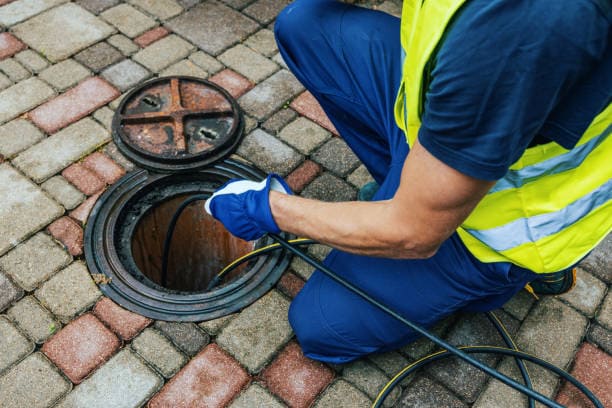
What Makes Sarasota Drains Clog So Often
Three local factors make clogs more common here than in many other parts of the country.
Hard Water Leaves Scale Inside Pipes
Sarasota’s water comes from the Floridan Aquifer, and it’s hard. Calcium and magnesium dissolve into the water as it travels through limestone. When that water sits in pipes, those minerals settle out and form a rough coating on the interior walls. Soap scum, hair, and food particles stick to that coating more easily than they would to a clean pipe. Over time, the inside of the pipe narrows and clogs form faster.
Warm Weather Keeps Roots Growing
Tree roots grow year-round in Florida. There’s no winter slowdown. Roots seek moisture, and a sewer line with even a hairline crack is a reliable water source. Once a root enters the pipe, it catches debris and grows until the line is blocked. This is one of the most common causes of main line clogs in Sarasota.
Grease Travels Farther Before It Hardens
Because Sarasota stays warm, cooking grease stays liquid longer in the kitchen drain. It moves farther down the pipe before cooling and solidifying. When it does harden, it coats a longer section of pipe — not just the area near the drain opening. That makes the clog bigger and harder to clear with household methods.
Older Homes Still Have Old Pipes
Some Sarasota homes still have cast iron or clay tile drain lines. Cast iron corrodes from the inside, creating a rough surface that catches everything. Clay tile cracks under soil movement and lets roots in. Both materials make clogs more likely and more stubborn.
Signs the Clog Is Worse Than It Looks
Some clogs are simple. Others point to a structural problem in the pipe.
-
One drain is slow — Usually hair, soap, or grease. A single-fixture clog.
-
Multiple drains are slow at once — Points to a main line blockage, not individual clogs.
-
Gurgling after flushing — Air is being forced back through the line because something is blocking flow.
-
Sewage smell inside the house — A partial blockage is letting gas escape. This is a health concern.
-
Water backs up in the shower when you flush — Main line clog. Needs attention now.
-
The same drain keeps clogging after being cleared — A pipe defect is trapping debris.
If you’re seeing more than one of these signs, the problem is likely deeper than a simple clog. Our plumbing repair team can assess the system.
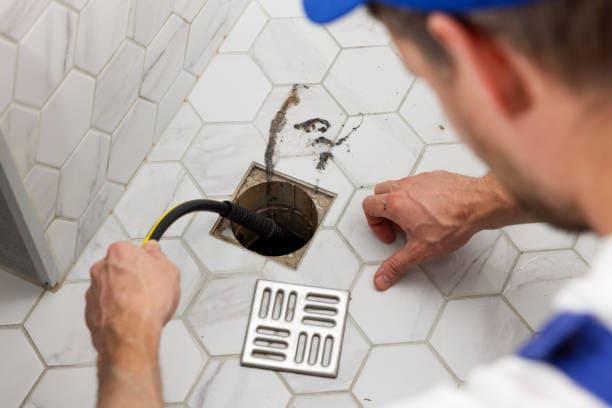
How We Find the Clog Before We Clear It
Video Camera Inspection
A high-resolution camera travels through the drain line and sends live images to a monitor. We can see what’s blocking the pipe and how far into the line it sits. That tells us which clearing method will work.
What the Camera Reveals
-
Grease buildup — A soft, yellowish mass coating the pipe walls.
-
Hair and soap — A tangled mass, usually near the fixture.
-
Solid objects — Toys, wipes, or other items that need mechanical extraction.
-
Tree roots — Thin white tendrils entering through pipe joints.
-
Pipe damage — Cracks, sags, misaligned joints, or collapsed sections.
Each of those problems needs a different approach.
Clearing Methods We Use
Mechanical Snaking
A motorized cable with a cutting or retrieval head is fed into the drain line. The head grips or slices through the blockage and pulls it back out. This is our first choice for solid obstructions, hair clogs, and most toilet clogs.
Hydro Jetting
High-pressure water — up to 4,000 PSI — is pushed through a specialized nozzle that scours the full interior of the pipe. This removes grease, scale, and soft debris from the walls, not just a channel through the middle. For recurring kitchen clogs and lines with heavy buildup, hydro jetting often provides longer-lasting results than snaking alone.
Root Cutting
Tree roots that have entered the line get cut out with a carbide-tipped blade attachment. After cutting, we run the camera again to check the condition of the pipe joints. In many cases, the joints need repair to prevent roots from returning. That’s when our sewer line repair team gets involved.
Spot Repair
If the camera reveals a cracked, sagging, or misaligned section of pipe, clearing the clog won’t solve the problem. The damaged section needs to be repaired or replaced. Our pipe repair team handles those fixes. For pipes that are failing throughout the home, repiping services may be the better long-term option.
What Causes Most Clogs in Sarasota Homes
Kitchen Sink Clogs
Grease is the leading cause. Cooking oils, fats, and butter go down the drain as liquids and solidify as they cool. Detergent and hot water don’t remove the coating. Coffee grounds, eggshells, and starchy foods like rice and pasta add to the buildup by creating sticky masses that cling to the grease layer.
Bathroom Clogs
Hair dominates bathroom clogs. It catches on stopper mechanisms and any imperfection inside the pipe. Soap scum binds the hair together and adheres it to the pipe walls. Toothpaste and personal care products add to the buildup.
Toilet Clogs
Toilet clogs usually come from flushing things the drain wasn’t designed for — wipes labeled “flushable” that don’t actually dissolve, cotton swabs, dental floss, and children’s toys. For toilets that clog repeatedly despite careful use, our toilet repair team can evaluate whether the fixture itself needs attention.
Main Line Clogs
Slow drains throughout the house point to a main sewer line problem. Tree roots are a common cause. So is a collapsed or misaligned section of pipe. Our video inspection tells the difference, and our sewer line repair team handles the fix.
When a Clog Signals a Bigger Problem
Recurring Clogs at the Same Spot
If the same drain keeps clogging after being cleared, the pipe is the problem. A sag in the line creates a low spot where water slows and debris settles. A cracked pipe lets soil and roots in. Offset joints catch debris. These problems don’t resolve with drain cleaning alone. They need pipe repair.
Gurgling From Multiple Fixtures
Gurgling usually points to a venting problem, not a drain problem. Plumbing vents allow air into the system so water can flow freely. When vents are blocked, suction pulls water from traps and allows sewer gas into the home. Our plumbing repair team can diagnose venting issues.
Water Stains or Soft Spots
If a clog has caused water to back up and sit, damage may already be present. Stains on ceilings, soft spots in floors, or musty odors near drains suggest moisture where it shouldn’t be. Our leak detection team can find the source. If the leak is under a slab, our slab leak repair service can address it.
Emergency Drain Situations
Some clogs can wait for a scheduled visit. Others can’t.
When to Call Immediately
-
A toilet that won’t flush and is threatening to overflow — Sewage on the bathroom floor is a health hazard.
-
A kitchen sink backed up with greasy water — You can’t cook or wash dishes until it’s cleared.
-
Wastewater backing up into a tub or shower — This usually means a main line blockage. It’s unsanitary.
-
Multiple drains backing up at the same time — This points to a main line problem, not individual clogs.
For urgent situations, our emergency plumber service is available. We arrive with the full range of clearing equipment so we can handle whatever the inspection reveals.
Preventing Clogs Between Professional Visits
A few habits make a difference between routine maintenance and repeated emergency calls.
-
Install mesh strainers in every drain — They catch hair and debris before it enters the pipe.
-
Never pour grease down any drain — Collect it in a container and throw it in the trash.
-
Skip the garbage disposal for fibrous foods — Coffee grounds, eggshells, pasta, and starchy vegetables form sticky masses in the pipe. Our garbage disposal repair team can help if yours is already struggling.
-
Only flush toilet paper and human waste — Even “flushable” wipes don’t break down the way toilet paper does.
-
Schedule annual drain cleaning — Professional cleaning removes the gradual buildup household habits can’t prevent.
If a faucet is contributing to slow drainage, our faucet repair team can check it. For hot water issues alongside drain problems, see our water heater repair page.

AREA WE SERVED
Legend Plumbing provides clogged drain repair throughout Sarasota County and the surrounding area. If you’re in one of these communities, we’re within reach:
Not sure if we serve your area? Reach out and ask.
Other Services We Provide
Along with clogged drain repair, Legend Plumbing handles:
-
Drain Cleaning — routine drain maintenance
-
Hydro Jetting — high-pressure drain cleaning
-
Sewer Line Repair — damaged sewer lines
-
Pipe Repair — damaged pipe repairs
-
Leak Detection — finding hidden leaks
-
Slab Leak Repair — leaks under concrete slabs
-
Toilet Repair — toilet fixes and replacements
-
Faucet Repair — faucet repairs and installations
-
Garbage Disposal Repair — disposal fixes
-
Plumbing Repair — general plumbing repairs
-
Water Heater Repair — tank and tankless systems
-
Water Heater Installation — new water heater installation
-
Tankless Water Heater Installation — tankless systems
-
Repiping Services — full and partial repiping
-
Residential Plumbing Services — household plumbing
-
Commercial Plumbing Services — commercial plumbing needs
-
Emergency Plumber — urgent service when problems can’t wait
Questions About Clogged Drain Repair in Sarasota
How quickly can you respond to a drain emergency?
We offer same-day emergency service for clogged drains that risk water damage or create unsanitary conditions. Contact us for availability and scheduling.
Can a clogged drain cause water damage?
Yes. A completely blocked drain will eventually cause water to back up and overflow from the fixture. That water can damage flooring, subflooring, drywall, and cabinetry. A sewer backup is contaminated and requires professional cleanup. Prompt repair prevents the damage.
Why does the same drain keep clogging?
Recurring clogs at the same location usually point to one of three problems. The previous cleaning didn’t remove the entire blockage. A structural issue in the pipe is trapping debris. Or the way the drain is being used is causing repeated buildup. A video inspection identifies the cause.
Are chemical drain cleaners safe for my pipes?
No. Chemical drain cleaners generate heat that can warp PVC, corrode metal, and damage pipe joints. They also create toxic fumes. Most importantly, they rarely dissolve the entire clog and can harden the remaining blockage, making it harder to remove mechanically. Professional drain cleaning is the safer approach.
How do tree roots get into my drain pipes?
Tree roots seek moisture and nutrients, and sewer pipes provide both. Roots can enter through tiny cracks, loose joints, or deteriorated pipe sections. Once inside, they expand, catching debris and eventually filling the pipe. Root intrusion requires cutting the roots and typically repairing the damaged pipe section to prevent recurrence. Our Sewer Line Repair service specializes in root-related damage.
Can you clear a clog without removing the toilet?
In most cases, yes. We clear toilet clogs using a specialized auger with a protective sleeve that passes through the toilet’s internal trap and into the drain line without removing the fixture. If the clog is caused by a solid object that cannot be retrieved this way, we may need to remove the toilet to extract it from the bottom, but this is relatively rare.
What should I do while waiting for emergency drain service?
Turn off the water supply to the affected fixture if possible. If the clog is in a toilet, stop flushing. If a sink or tub is backing up, don’t run any water in that fixture. If multiple drains are affected, minimize all water use in the home. Place towels around the fixture to contain any overflow. Do not use chemical drain cleaners, as they create hazards for the technician who will be working on the line.
How can I prevent future drain clogs?
Install mesh strainers in all drains to catch hair and debris. Never pour grease, oil, or fat down any drain—collect it and dispose of it in the trash. Avoid putting coffee grounds, eggshells, pasta, rice, and fibrous vegetables into the kitchen sink or Garbage Disposal Repair may become necessary. Only flush toilet paper and human waste. Schedule annual professional Drain Cleaning to remove the gradual buildup that household prevention can’t eliminate.