
Sewer Line Replacement
A sewer line that has failed structurally will not be fixed by another round of snaking. The pipe itself is broken, collapsed, root-filled, or sagging in a way that no amount of clearing can correct. Legend Plumbing replaces failed sewer laterals for homeowners who have seen the camera footage, understand the problem, and need a permanent solution rather than another temporary patch.
When Replacement Is the Only Answer
Not every sewer problem requires digging. A single clog, grease buildup, or a root intrusion that can be cut out may only need drain cleaning or hydro jetting. But certain conditions mean the pipe itself cannot be saved.
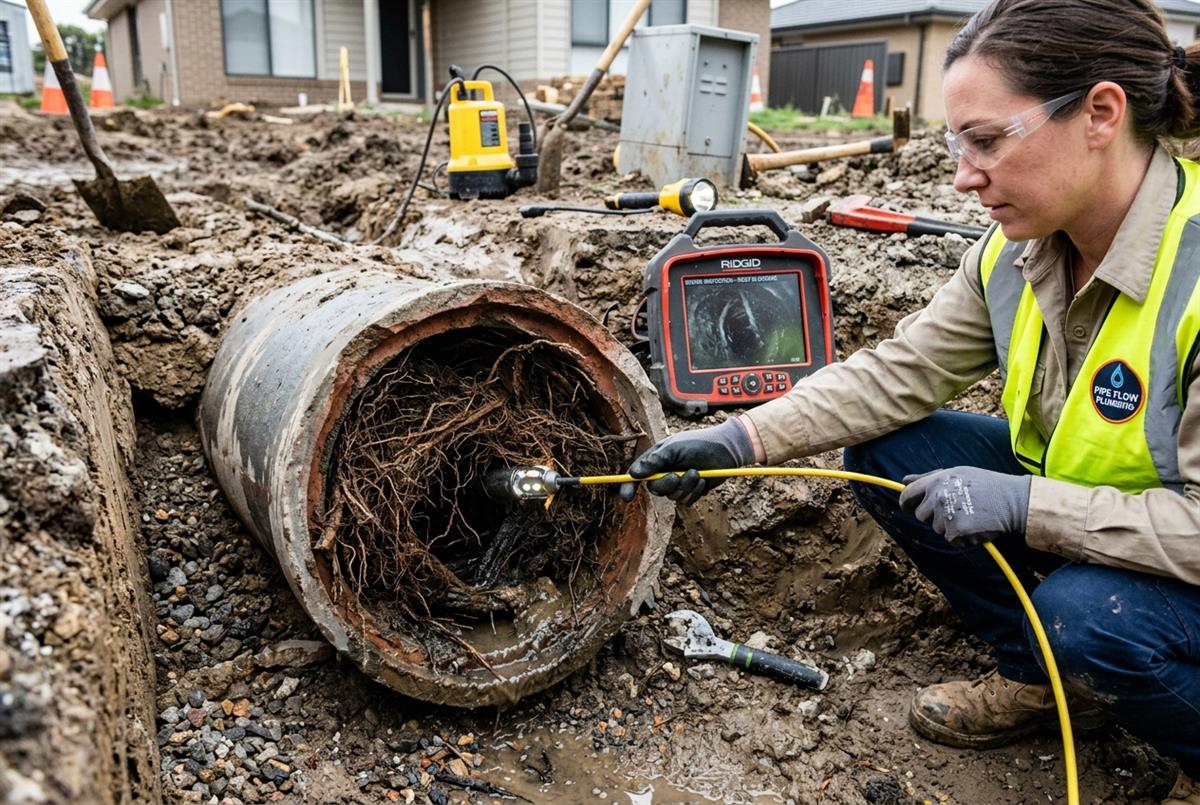
If a sewer camera inspection shows a collapsed section, a pipe that has been crushed or deformed, a severe belly where water stands and solids collect, or a lateral made of Orangeburg pipe that has squeezed flat, replacement is the practical path . Cast iron that has rusted through at the bottom, a condition called channeling, also calls for replacement rather than repair . Roots that have shattered a clay joint beyond sealing, or repeated backups in the same line despite repeated clearing, point to the same conclusion.
Trenchless or Open Excavation: What Determines the Method
Sewer line replacement is not one procedure. The right method depends on the condition of the existing pipe, its depth, its length, and what sits above it.
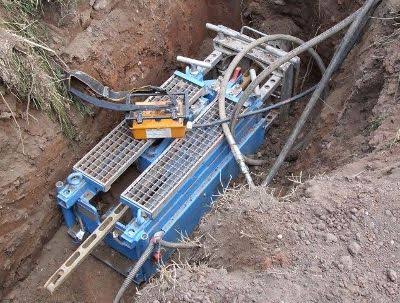
Trenchless methods use small access pits rather than a continuous trench. Pipe bursting pulls a new high-density polyethylene pipe through the path of the old one, breaking the old pipe outward as it goes . This works for cracked, root-damaged, or leaking pipe that still holds its general shape. It preserves lawns, driveways, and landscaping. Cured-in-place pipe lining is another trenchless option, where a resin-saturated liner is inflated inside the old pipe and hardened to form a new interior surface. Lining works for pipes with minor cracks and deterioration but is not suitable for collapsed or badly deformed pipe .
Open excavation involves digging a trench along the length of the failed section. It is more disruptive, but it is sometimes the only option. A fully collapsed pipe, a severe belly that needs the slope corrected, or a lateral that must be rerouted cannot be addressed trenchlessly . If the existing pipe is Orangeburg or has lost its shape entirely, bursting and lining are not viable, and excavation is the correct method.
The decision should follow the footage, not a preference for one method over another. If the camera shows a pipe that can be burst or lined, trenchless is usually faster and less destructive. If the pipe has failed in a way that cannot support those methods, digging is the honest answer.
What Replacement Involves
The existing line is exposed or accessed at the entry and exit points, depending on the method. The old pipe is removed or burst, and the new pipe is set to the correct slope. The new lateral is connected to the building drain at one end and the municipal sewer or septic system at the other. The trench or access pits are backfilled and compacted. Water is run through the new line, and the flow is verified before the work is closed out.
Sewer line replacement is permitted work in Florida. The permit process varies by jurisdiction, but replacement of a sewer lateral generally requires a plumbing permit and an inspection before the trench is backfilled . Legend Plumbing handles the permit as part of the job.
What to Expect After Replacement
A new PVC lateral, properly bedded and sloped, is designed to last decades without the corrosion and joint failure that plagued older materials. Root intrusion is less likely because PVC joints are glued or gasketed rather than mortared. The line should flow freely, and the recurring backups that prompted the replacement should stop.
Keep the camera footage and any permit paperwork. If you sell the home, the documentation shows the work was done and inspected. If a future owner has a question about the line, the record answers it.
Areas We Serve
Legend Plumbing provides sewer line replacement throughout Sarasota County and Manatee County, including:
Other Services We Provide
Along with leak detection, Legend Plumbing handles:
-
Plumbing Repair — general plumbing repairs
-
Slab Leak Repair — leaks under concrete slabs
-
Pipe Repair — damaged pipe repairs
-
Repiping Services — full and partial repiping
-
Drain Cleaning — routine drain maintenance
-
Clogged Drain Repair — for stubborn clogs
-
Sewer Line Repair — damaged sewer lines
-
Hydro Jetting — high-pressure drain cleaning
-
Toilet Repair — toilet fixes and replacements
-
Faucet Repair — faucet repairs and installations
-
Garbage Disposal Repair — disposal fixes
-
Water Heater Repair — tank and tankless systems
-
Water Heater Installation — new water heater installation
-
Tankless Water Heater Installation — tankless systems
-
Residential Plumbing Services — household plumbing
-
Commercial Plumbing Services — commercial plumbing needs
-
Emergency Plumber — urgent service when problems can’t wait
Frequently Asked Questions
How do I know if I need sewer line replacement or just a repair?
A camera inspection is the only way to know for certain. If the pipe is cracked, collapsed, severely sagged, or made of failed material, replacement is the answer. If the problem is a blockage or isolated root intrusion in otherwise sound pipe, cleaning or a spot repair may be enough.
Can you replace a sewer line without digging up my yard?
How long does sewer line replacement take?
Trenchless replacements can often be completed in a day or two. Open excavation may take longer, depending on the length of the line and site conditions. The timeline depends on the method and the specific property.
Will my homeowners insurance cover sewer line replacement?
Coverage varies by policy. Many policies exclude underground pipe replacement unless the damage resulted from a covered peril. Check with your insurer before assuming coverage.
Do I need a permit for sewer line replacement?
Yes. Sewer lateral replacement is permitted plumbing work in Florida. Legend Plumbing handles the permit and inspection as part of the job.