
Professional Solutions for Bad Tasting Tap Water
Water should taste clean and fresh, whether you are drinking a glass straight from the kitchen faucet, preparing coffee in the morning, or cooking dinner for your family. If your tap water has a metallic flavor, a strong chlorine taste, a bitter aftertaste, or a rotten egg smell, the problem may come from minerals, your plumbing, or the water supply itself.
Legend Plumbing Corp provides water quality solutions for homeowners in Sarasota, Florida, and surrounding communities. We help identify potential causes of unpleasant water taste and determine which treatment options may be appropriate for your home. Rather than choosing a filter based on guesswork, understanding the source of the problem can help you find a more effective and reliable solution.
What Causes Bad Tasting Water?
The taste of tap water can change for several reasons. Some problems originate in the municipal water supply, while others develop inside a home’s pipes, fixtures, water heater, or private well system. Identifying the specific symptoms is a useful first step toward resolving the issue.
Metallic or Bitter Water Taste
Water that tastes like metal may contain dissolved iron, copper, or manganese. These substances can enter water naturally or come from corrosion within plumbing components.
You might also notice reddish-brown stains around sinks, blue-green marks on fixtures, or dark deposits near drains. These signs can provide clues about water quality, but they do not confirm which substance is responsible.
If your water has a persistent metallic taste, especially in an older home, consider having it tested before selecting a filtration system.
Chlorine or Chemical Taste
Municipal water suppliers use disinfectants such as chlorine or chloramine to control harmful microorganisms. These treatments are important for maintaining drinking water safety, but some homeowners find their taste or odor unpleasant.
A strong swimming-pool-like flavor may be more noticeable after changes in water treatment or when water has been sitting in household plumbing. An appropriately selected activated carbon filter can reduce chlorine taste and odor when the filter is designed for that purpose.
Rotten Egg Taste or Sulfur Odor
A rotten egg smell or sulfur-like flavor may indicate hydrogen sulfide in the water. This issue is frequently associated with groundwater and private wells, although other sources may also be involved.
In some homes, the smell appears mainly when using hot water. If cold water tastes normal but hot water has a sulfur odor, the water heater may be contributing to the problem.
The right treatment depends on the source and concentration of the substance, so testing and plumbing inspection are preferable to installing a general-purpose filter without diagnosis.
Earthy, Musty, or Moldy Taste
An earthy or musty flavor can result from naturally occurring organic compounds, changes in the water source, or problems involving plumbing and water storage.
If the taste appears suddenly, affects multiple faucets, or occurs alongside unusual odors or discoloration, investigate the change instead of assuming it is harmless.
Salty or Unusually Mineral-Like Water
A salty taste may be associated with elevated dissolved salts, including chloride, or other changes in water chemistry. Natural groundwater conditions, water softening equipment, and certain plumbing issues can contribute to unusual flavors.
A water test can help determine whether dissolved minerals are responsible and whether specialized treatment is necessary.
Is Bad Tasting Water Safe to Drink?
Unpleasant-tasting water is not automatically unsafe, but taste alone cannot establish whether water is safe to drink. Some harmless minerals affect flavor, while certain harmful contaminants, including lead and some microorganisms, may be present without changing the water’s taste, smell, or appearance.
Pay attention to sudden changes in your tap water. If your water develops a strong chemical taste, unusual discoloration, or an unexpected odor, contact your water supplier if you use municipal water. For private wells, arrange appropriate water testing.
If a water advisory, contamination warning, or boil-water notice has been issued, follow the instructions provided by your local authorities. Boiling does not remove every contaminant and can concentrate some dissolved substances.
Professional water quality testing can help identify what is affecting your water and whether treatment is needed.
How to Identify the Source of Bad Tasting Water
Before investing in a water treatment system, consider where and when the taste occurs. A few simple observations can help narrow down the possible causes.
Compare Water From Different Faucets
Check whether the unpleasant taste occurs throughout your home or only at one faucet.
-
One faucet only: The faucet, aerator, connecting pipes, or nearby plumbing may be contributing to the problem.
-
Several faucets: The cause may involve the main water supply, household plumbing, or a treatment system.
-
Only after water sits overnight: Water standing in pipes may affect taste, particularly in older plumbing.
These observations help narrow down possible causes but cannot confirm water safety.
Compare Hot and Cold Water
If only hot water has an unusual taste or smell, your water heater or its plumbing connections may be involved. Sediment buildup, corrosion, or reactions involving the anode rod can sometimes contribute to odor problems.
Avoid drinking or cooking with hot tap water when investigating a possible plumbing-related contamination issue. Use cold water from the tap intended for drinking, and have the problem assessed if the taste persists.
Check for Changes in Appearance or Odor
Look for cloudy water, visible particles, unusual staining, or a smell that accompanies the taste. These symptoms may indicate sediment, corrosion, mineral content, or another water quality concern.
Do not assume clear water is safe simply because it looks normal. Testing may still be necessary.
Consider Recent Plumbing or Water Supply Changes
Think about whether the problem started after plumbing repairs, installation of a new fixture, water heater maintenance, or work on nearby water mains.
If the issue affects neighboring homes as well, contact your water supplier to ask whether there have been treatment changes, maintenance activities, or reported water quality concerns.
Bad Tasting Water Treatment Options
The best treatment depends on the substances responsible for the unpleasant flavor. Different systems remove different contaminants, so choosing equipment based on testing results is generally more effective than relying on a one-size-fits-all approach.
Activated Carbon Water Filtration
Activated carbon filters are commonly used to improve the taste and odor of drinking water. Depending on the filter’s design and certification, they can reduce chlorine and certain organic compounds that affect flavor.
These filters are available in under-sink units, drinking water dispensers, and whole-home systems.
Best suited for: Certain chlorine-related taste and odor problems and other contaminants specifically addressed by the filter.
Important consideration: Activated carbon does not remove every contaminant. Filter replacement must follow the manufacturer’s maintenance schedule.
Whole-Home Water Filtration
A whole-home water filtration system treats water as it enters the house, providing treated water to connected faucets, showers, and appliances.
The equipment can include sediment filters, carbon media, or specialized treatment components selected for the home’s water conditions.
Best suited for: Water quality issues affecting multiple locations throughout a home.
Important consideration: The system must be designed for the identified problem. A standard whole-home filter will not necessarily remove dissolved salts, all metals, or microorganisms.
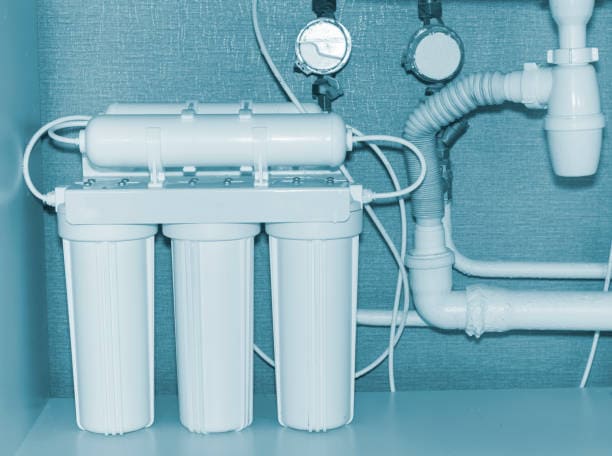
Reverse Osmosis Drinking Water Systems
Reverse osmosis uses a semipermeable membrane and associated filtration stages to reduce many dissolved substances in drinking water. Depending on the system, it can improve taste by reducing certain minerals, salts, metals, and other contaminants.
Under-sink reverse osmosis systems are commonly used for drinking and cooking water.
Best suited for: Selected dissolved contaminants and taste problems that can be addressed by the system’s treatment capabilities.
Important consideration: Reverse osmosis does not remove every possible contaminant under all conditions. System certification, maintenance, water pressure, and the quality of the incoming water all matter.
Specialized Iron, Sulfur, or Mineral Treatment
When testing identifies iron, manganese, hydrogen sulfide, or another specific water quality issue, a specialized treatment system may be more appropriate than a general carbon filter.
Depending on the results, treatment may involve oxidation, filtration, aeration, or other processes designed for the particular contaminant.
Best suited for: Confirmed mineral-related tastes, sulfur odors, and certain groundwater quality problems.
Important consideration: The equipment must match the concentration and chemistry of the water being treated.
Water Heater Inspection and Maintenance
When the unpleasant taste or odor is limited to hot water, inspecting the water heater may be an important part of the solution.
A plumber can assess sediment accumulation, corrosion, the anode rod, and other potential causes. Flushing or replacing components should be performed according to the manufacturer’s instructions and the condition of the equipment.
Best suited for: Taste or odor problems associated primarily with hot water.
Important consideration: Water heater maintenance will not correct a problem originating in the incoming water supply.
Why Water Testing Should Come Before Filtration
Installing a filter without identifying the cause of a taste problem can lead to unnecessary expenses and disappointing results. A water softener, for example, is designed primarily to reduce hardness minerals. It is not a universal solution for chlorine, bacteria, or every dissolved contaminant.
A targeted water quality assessment helps determine which substances need attention and which treatment technologies are appropriate.
During an assessment, relevant factors may include:
-
Whether the home uses municipal water or a private well.
-
Whether the taste is metallic, chemical, salty, bitter, or sulfur-like.
-
Whether the issue affects hot water, cold water, or both.
-
Whether discoloration, staining, sediment, or unusual odors are present.
-
Which contaminants should be included in laboratory or field testing.
The appropriate testing method depends on the suspected problem. If lead, bacteria, or other health-related contaminants are a concern, use a qualified laboratory and testing methods suitable for those substances.
Legend Plumbing Corp can help homeowners evaluate water quality concerns and explore suitable treatment options based on the problem identified.
Bad Tasting Water Solutions for Sarasota, Florida Homes
Homeowners in Sarasota and nearby Florida communities can experience different water quality issues depending on their water source, plumbing materials, and household treatment equipment.
Groundwater mineral content can affect flavor and contribute to deposits on fixtures. Municipal disinfectants may influence taste and odor, while aging plumbing can introduce localized problems. Homes using private wells may require additional testing for contaminants that municipal treatment systems ordinarily address.
Local conditions vary, so it is important not to assume that every home has the same water quality problem.
Legend Plumbing Corp serves Sarasota, Florida, and helps homeowners investigate unpleasant water taste and determine which treatment options fit their needs. Whether the concern involves chlorine flavor, metallic water, sulfur odor, or a filtration system that is no longer performing as expected, identifying the underlying cause is the first step toward a practical solution.
Signs Your Water Has a Taste Problem
The Taste
-
Metallic or bitter taste
-
Chlorine or chemical taste
-
Sulfur or rotten egg taste
-
Earthy or musty taste
-
Salty taste
-
Taste that changes depending on the time of day
Other Signs
-
Unpleasant smell accompanying the taste
-
Staining on fixtures or laundry
-
Cloudy or discolored water
-
Taste that’s worse in hot water than cold
-
Taste that comes and goes
Location-Specific Clues
-
The taste may vary by season
-
May be worse after heavy rain or drought
-
May be more noticeable in certain neighborhoods
-
May change after water main work in your area
Why Bad Taste Can Come and Go
Seasonal Changes
Water quality can change with the seasons. Rainfall affects groundwater levels and can change mineral concentrations.
Water Usage Patterns
Water that sits in pipes can develop flavors from the pipes themselves. The taste may be stronger after your water has been sitting overnight.
Temperature Changes
The temperature of water affects how we perceive taste. Cold water can mask some flavors, while warm water can make them more noticeable.
Municipal Water Changes
Water treatment plants sometimes adjust their processes. These changes can affect the taste of your water.
Plumbing Changes
Changes in your plumbing system, such as new fixtures or repairs, can affect water taste.

DIY Troubleshooting Steps
Test Cold vs. Hot Water
Taste both cold and hot water separately. If the taste is only in hot water, the issue is likely your water heater. If it’s in both, the problem is in your water supply.
Check Multiple Faucets
Taste water from different faucets. If it’s only at one faucet, the issue may be localized to that fixture.
Run the Water
If the taste fades after running water for a few minutes, you may be dealing with stagnant water in pipes. This is common in homes with infrequent water usage.
Check Your Water Heater
If the taste is worse in hot water, your water heater may be the source. Sediment buildup or a failing anode rod can affect taste.
Inspect Your Pipes
Older pipes, especially galvanized steel or lead, can affect water taste. If you have older plumbing, this could be the cause.
Test the Water
A simple water test can identify what’s causing the taste. Contact us for professional water testing.
Bad Tasting Water Treatment Options
Carbon Filtration
Carbon filters are the most common solution for bad tasting water. They remove chlorine, sediment, and many contaminants that affect taste.
Best For: Chlorine taste, earthy taste, chemical taste
How It Works: Water flows through activated carbon media that traps contaminants
Benefits: Simple, effective, improves taste noticeably
Limitations: Filter media needs regular replacement
Whole-Home Filtration
Whole-home filtration treats all the water entering your home, improving taste everywhere.
Best For: Multiple taste issues throughout the home
How It Works: Water is treated as it enters your home
Benefits: Treats all water, including shower and bath water
Limitations: More extensive installation
Water Heater Maintenance
If the taste is only in hot water, maintaining your water heater can help.
Best For: Taste issues only in hot water
How It Works: Flushing the tank and replacing the anode rod can eliminate odors and tastes
Benefits: Simple, addresses specific issue
Limitations: Only addresses hot water issues
Why Choose Legend Plumbing for Bad Tasting Water Treatment
Local Experts
We understand our area’s water quality challenges, including the specific causes of bad tasting water. Visit our Water Quality Services page to learn more.
Licensed Professionals
Every plumber on our team is fully licensed and insured. You can trust your installation is done right. Explore our Plumbing Repair and Residential Plumbing Services pages for our full range of expertise.
Honest Pricing
We provide clear estimates with no hidden fees. You’ll know the cost before we start.
Quality Products
We recommend proven water treatment systems from quality manufacturers. We stand behind the products we install.
Complete Service
From testing to installation to ongoing maintenance, we’re your complete water treatment resource.
Frequently Asked Questions About Bad Tasting Water
What causes bad tasting water?
Bad taste can come from minerals like iron and copper, chlorine used in treatment, sulfur compounds, or organic matter. Geology and water treatment processes contribute to taste issues.
Is bad tasting water dangerous?
In most cases, no. Many taste issues come from minerals that are not harmful at the levels typically found in drinking water.
Will a whole-house filter remove bad taste?
Certain whole-house filters, especially carbon filters, are effective at removing taste issues. We’ll recommend the right system for your needs.
Is bad tasting water common in our area?
Yes. Our limestone aquifer and municipal treatment processes can create taste issues. Many homeowners in our area experience some form of water taste problem.
What should I do if I notice bad tasting water?
Contact us for a professional assessment. We’ll test your water, identify the cause, and recommend the right solution.
Can I fix bad tasting water myself?
Some fixes, like using a pitcher filter, can be DIY. However, more complex issues require professional diagnosis and treatment.
How much does bad tasting water treatment cost?
Costs vary based on the treatment method and the size of your home. We provide customized estimates during your consultation.