
Sewer Camera Inspection
A sewer camera inspection answers a question that guessing cannot: what is actually happening inside the pipe under your yard or slab. Legend Plumbing uses a waterproof camera on a flexible rod, fed through a cleanout and into the line, to record the condition of your sewer lateral and locate problems before anyone digs.
If you are dealing with a recurring clog, buying a home, or have been told you need a major sewer repair, an inspection gives you footage of the pipe itself so the decision is based on evidence rather than assumption. If the line is simply blocked and needs clearing, our drain cleaning service may be the faster first step.
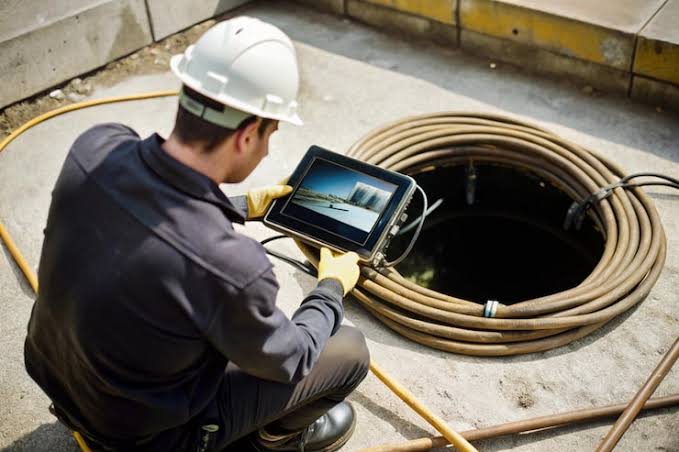
What a Sewer Camera Inspection Actually Shows You
The camera travels through the pipe while transmitting a live video feed to a monitor. A transmitter in the camera head allows the technician to locate the camera’s position and depth from above ground, which means any defect can be marked on the surface.
On the screen, you see the pipe material—cast iron, clay, PVC, or a mix—and every joint the camera passes. Common findings include:
-
Root intrusion at joints or cracks, which appears as fine hairs or dense root masses entering the pipe
-
Cracks and breaks in the pipe wall, including splits in older cast iron and fractured clay
-
Bellies or sags, where the pipe has settled and water pools instead of draining
-
Offset joints, where sections have shifted and created a lip that catches waste
-
Scale, grease, or debris buildup that narrows the pipe but may not require replacement
The footage is recorded, and you keep a copy. That matters if you are negotiating a home purchase, dealing with an insurance claim, or want a second opinion before committing to a repair. If the footage shows heavy grease or scale rather than structural damage, our hydro jetting service can scour the line without excavation.
When a Camera Inspection Is Worth the Cost
Not every clog needs a camera. A first-time blockage in a single fixture is usually just a clog, and clearing it is the right first step. A camera inspection earns its cost in specific situations:
Recurring backups in the same line. If the same drain or main line has backed up more than once, snaking is treating the symptom, not the cause. The camera shows whether roots are regrowing through a broken joint, the pipe has sagged, or debris is collecting at a low spot .
Buying a home. A standard home inspection typically does not include the underground sewer line. In older neighborhoods, original cast iron or clay pipe may be corroded, cracked, or root-filled in ways that are invisible from the surface. A camera scope before closing gives you evidence to negotiate with or a reason to walk away .
Multiple fixtures draining slowly at once. When several drains gurgle or back up together, the restriction is likely in the main line rather than a single branch. The camera locates where the problem sits .
Before authorizing a major repair. If another contractor has recommended digging or replacing a section of pipe, the footage lets you see the damage yourself and compare recommendations on the same evidence .
Florida’s Soil and Roots Make Inspections Particularly Useful
Southwest Florida’s sandy soil shifts easily, and the region’s trees—live oaks, ficus, and sabal palms—send roots aggressively toward moisture. Older sewer lines in this area are often clay or cast iron, materials that separate at joints and crack as they age. Roots find those openings and expand them.
On the surface, root intrusion, a sagging pipe, and a simple grease clog can all look the same: a slow drain or a backup. The camera is what separates them. A root-filled joint in otherwise sound pipe may need only a spot repair. A collapsed section needs replacement. A belly that holds water will never be fixed by cleaning alone. Knowing which situation you have prevents paying for the wrong solution. If the inspection reveals a problem outside the sewer lateral itself, our leak detection service can help trace it.
What to Expect During the Inspection
The technician starts by locating an access point. An outdoor cleanout is ideal. If there is no cleanout, or it is buried, the technician may access the line through a roof vent or by removing a toilet, depending on the configuration. If no suitable access exists, installing a cleanout is often worthwhile for both the inspection and future maintenance.
The camera is fed into the line while the technician watches the live feed and notes the distance to anything significant. If a defect is found, the transmitter allows the technician to mark its position and approximate depth on the ground above, so any future repair goes directly to the spot rather than requiring exploratory digging.
After the run, the technician walks through the footage with you, explains what is normal, what is minor, and what needs attention. If repairs are recommended, you receive a clear explanation of the options and pricing before any work begins. For broader plumbing concerns discovered during the visit, our plumbing repair team can address them.
Areas We Serve
Legend Plumbing provides sewer camera inspection in @fname@ and the surrounding communities. If you are located in any of the areas below, contact us to schedule an inspection:
Other Services We Provide
Along with leak detection, Legend Plumbing handles:
-
Plumbing Repair — general plumbing repairs
-
Slab Leak Repair — leaks under concrete slabs
-
Pipe Repair — damaged pipe repairs
-
Repiping Services — full and partial repiping
-
Drain Cleaning — routine drain maintenance
-
Clogged Drain Repair — for stubborn clogs
-
Sewer Line Repair — damaged sewer lines
-
Hydro Jetting — high-pressure drain cleaning
-
Toilet Repair — toilet fixes and replacements
-
Faucet Repair — faucet repairs and installations
-
Garbage Disposal Repair — disposal fixes
-
Water Heater Repair — tank and tankless systems
-
Water Heater Installation — new water heater installation
-
Tankless Water Heater Installation — tankless systems
-
Residential Plumbing Services — household plumbing
-
Commercial Plumbing Services — commercial plumbing needs
-
Emergency Plumber — urgent service when problems can’t wait
FAQ Section:
How long does a sewer camera inspection take?
Most residential inspections take about an hour, including reviewing the footage with you. Longer lines or lines with multiple issues may take more time.
Do I get to keep the video?
Yes. The footage is recorded and you keep a copy, regardless of whether you hire Legend Plumbing for any follow-up work. You can share it with a real estate agent, an insurer, an HOA, or another plumber for a second opinion.
What if my home has no cleanout?
The technician will look for alternatives, such as a roof vent or a toilet flange. If none are suitable, installing a cleanout may be necessary. This is a common situation in older homes and is worth doing for future maintenance anyway.
Can a camera inspection tell me if I need a repair or just a cleaning?
Yes—that is the primary value of the inspection. Grease or scale buildup can often be cleared with hydro jetting. A cracked joint or root entry in otherwise sound pipe may need a targeted repair through our sewer line repair service. A collapsed or badly sagging section requires replacement. The footage shows which category your line falls into.
Will the inspection find the cause of my recurring clog?
In most cases, yes. Recurring clogs almost always have a physical cause—roots, a belly, an offset joint, or a broken section—that the camera will reveal. If the line is clear and structurally sound, the inspection rules out the expensive possibilities and points back to usage or a fixture-level issue.