
Professional Well Water Filtration
If your home relies on a private well, you’re responsible for your own water quality. There’s no municipal treatment plant testing and treating your water before it reaches your tap. That means contaminants that affect taste, smell, and safety can go unnoticed—until they become a problem.
Legend Plumbing provides professional well water filtration that removes contaminants and ensures your family’s water is clean, safe, and great-tasting. Our customized well water treatment solutions address the specific challenges of well water in our area. As part of our comprehensive Water Quality Services, we help homeowners take control of their well water quality.
Why Well Water Is Different
Well water comes from underground aquifers—natural reservoirs of water beneath the earth’s surface. Unlike municipal water, well water isn’t treated before it reaches your home. This means it can contain naturally occurring minerals, bacteria, and other contaminants.
The Good News
-
Well water is naturally filtered through layers of soil and rock
-
It’s often free from the chlorine taste of municipal water
-
Many homeowners prefer the taste of well water
The Challenges
-
Well water can contain naturally occurring contaminants
-
Bacteria can enter wells through surface water infiltration
-
Mineral content varies by location
-
Seasonal changes can affect water quality
-
Well water quality can change over time
What This Means for You
As a well owner, you need to take an active role in managing your water quality. Regular testing and appropriate filtration are essential for protecting your family’s health and ensuring your water tastes great.
Common Well Water Contaminants
Naturally Occurring Minerals
Iron – Gives water a metallic taste and can cause reddish-brown staining on fixtures and laundry. Iron is common in well water due to the mineral content of the aquifer.
Manganese – Produces a metallic taste and can cause black staining. Often found alongside iron in well water.
Calcium and Magnesium – Cause hard water, scale buildup on fixtures, and reduced appliance efficiency. These minerals are common in limestone aquifers.
Sulfur (Hydrogen Sulfide) – Creates a rotten egg smell and taste. Common in well water due to organic matter decomposition and sulfur-bearing minerals.
Bacteria and Microorganisms
Coliform Bacteria – Indicates potential contamination from surface water. Not necessarily harmful, but indicates the well may be vulnerable to contamination.
E. Coli – A more serious bacterial contamination indicating fecal matter. Requires immediate attention.
Iron Bacteria – Not harmful but can cause unpleasant odors and slime buildup in plumbing.
Sulfate-Reducing Bacteria – Produce hydrogen sulfide, causing the rotten egg smell.
Chemical Contaminants
Nitrates – Can come from fertilizers, septic systems, or animal waste. High levels can be dangerous, especially for infants.
Arsenic – Occurs naturally in some groundwater. Long-term exposure can have health effects.
Radon – A naturally occurring radioactive gas that can dissolve in groundwater. Elevated levels can pose health risks.
Signs Your Well Water Needs Filtration
Test Results
-
Recent water test showing contaminants
-
Test results indicating the need for treatment
-
Test results near or above recommended levels
Appliance Issues
-
Frequent appliance repairs
-
Reduced water pressure
-
Scale buildup in water heater
-
Appliances failing earlier than expected
Personal Experience
-
Skin irritation or dryness after showers
-
Dull, brittle hair
-
Digestive issues that might be water-related
Well Water Filtration Options
Sulfur Filters
Sulfur filters remove hydrogen sulfide gas that causes the rotten egg smell.
Best For: Rotten egg smell, sulfur taste
How It Works: Oxidation converts hydrogen sulfide to solid particles, then filtration removes them
Benefits: Eliminates odor, improves taste
Limitations: Regular maintenance required
Carbon Filtration
Carbon filters remove chlorine, sediment, and many contaminants that affect taste and odor.
Best For: Improving taste and odor, removing chlorine and chemicals
How It Works: Activated carbon media traps contaminants
Benefits: Simple, effective for taste issues
Limitations: Not effective for all contaminants
Reverse Osmosis
Reverse osmosis removes a wide range of contaminants, including heavy metals and dissolved solids.
Best For: High purity drinking water, removing multiple contaminants
How It Works: Water passes through a membrane that traps contaminants
Benefits: Highly effective, removes many contaminants
Limitations: Only treats one faucet, produces wastewater
DIY Troubleshooting for Well Water
Check for Staining
Look for reddish-brown, black, or blue-green stains on fixtures. These can indicate the presence of iron, manganese, or copper.
Test Different Faucets
Check if the issue is present at all faucets or just one. If it’s only at one faucet, the issue may be localized.
Check Your Well
Inspect your well for signs of damage or contamination. Make sure the well cap is secure and intact.
Run the Water
If the taste or smell fades after running water for a few minutes, you may be dealing with stagnant water in pipes.
Check Your Water Heater
If the issue is only in hot water, your water heater may be the source. Sediment buildup or a failing anode rod can affect water quality.
Test the Water
A simple water test can identify what’s causing the issue. Contact us for professional water testing.
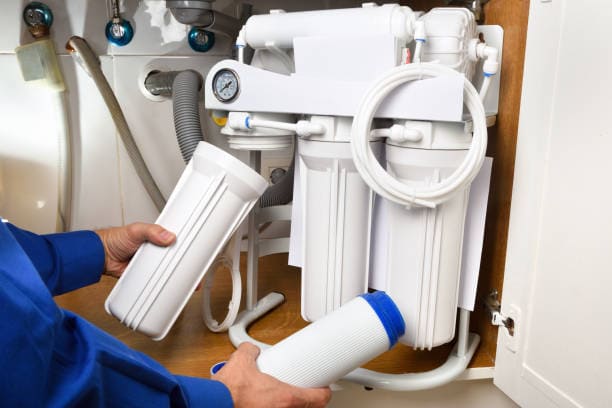
Why Choose Legend Plumbing for Well Water Filtration
Local Experts
We understand our area’s well water challenges, including the specific issues affecting homes in our area. Visit our Water Quality Services page to learn more.
Licensed Professionals
Every plumber on our team is fully licensed and insured. You can trust your installation is done right. Explore our Plumbing Repair and Residential Plumbing Services pages for our full range of expertise.
Customized Solutions
We don’t believe in one-size-fits-all solutions. We design systems that address your specific well water issues.
Honest Pricing
We provide clear estimates with no hidden fees. You’ll know the cost before we start.
Complete Service
From testing to installation to ongoing maintenance, we’re your complete well water resource.
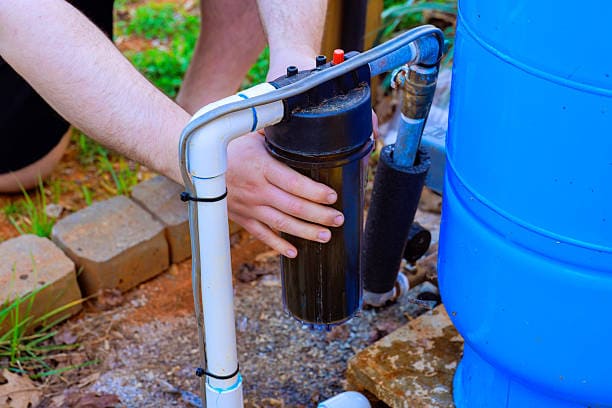
Frequently Asked Questions About Well Water Filtration
Can I treat well water myself?
Some DIY options exist, but professional testing and installation ensure your system effectively treats your specific water issues.
How much does well water filtration cost?
Costs vary based on your water quality, household size, and the type of system needed. We provide customized estimates during your consultation.
Do I need a permit for well water filtration?
Some installations require permits. We handle all necessary permits and ensure your system meets local codes.
Can well water filtration remove bacteria?
UV disinfection systems and some other treatments can remove bacteria. We’ll recommend the right solution if bacteria are present in your water.
How long does well water filtration system installation take?
Most installations take 1-2 days, depending on the system complexity. We provide a specific timeline during your consultation.
What maintenance does a well water filtration system need?
Maintenance varies by system type but typically includes regular filter changes and periodic checks. We provide specific guidance for your system.
How much does well water filtration cost?
Costs vary based on your water quality, household size, and the type of system needed. We provide customized estimates during your consultation.