Professional Reverse Osmosis Systems
That glass of water you just poured might look perfectly clear, but appearances don’t tell the whole story. Chlorine, lead, PFAS, and dozens of other contaminants can be present without changing how your water looks or smells. A reverse osmosis system provides the highest level of drinking water purification available for homes.
Legend Plumbing specializes in professional reverse osmosis system installation. We help homeowners enjoy pure, great-tasting water straight from their kitchen tap—without the expense and waste of bottled water. As part of our comprehensive Water Quality Services, we ensure your drinking water is as pure as possible.
Understanding Reverse Osmosis: The Purest Drinking Water Available
Reverse osmosis isn’t just another water filter. It’s a fundamentally different approach to purification that delivers results other systems simply can’t match.
How It Works
Water is forced under pressure through a semi-permeable membrane with microscopic pores. These pores are so small—about 0.0001 microns—that they block virtually everything except water molecules. Contaminants are trapped on one side and flushed away. Pure water passes through to a storage tank, ready for drinking.
Think of it as a sieve that catches particles so tiny you’d need a microscope to see them. Viruses, bacteria, dissolved solids, heavy metals—none of them make it through.
What RO Removes
-
Chlorine and chloramines – The chemicals that give municipal water that swimming pool taste and smell
-
Lead and heavy metals – Linked to serious health concerns, especially in children
-
PFAS (forever chemicals) – [VERIFY PFAS REMOVAL CLAIMS]
-
Nitrates and nitrites – Common in agricultural areas
-
Arsenic – A naturally occurring contaminant in some water supplies
-
Dissolved solids – Minerals that affect taste and clarity
-
Pharmaceutical residues – Trace amounts found in water supplies nationwide
What RO Doesn’t Remove
Reverse osmosis removes a lot, but not everything:
-
Some volatile organic compounds (VOCs) – Additional carbon filtration handles these
-
Chlorine – RO membranes can be damaged by chlorine, so systems include carbon pre-filters
-
Some pesticides and herbicides – Carbon filters typically address these
This is why most RO systems include multiple filtration stages. The pre-filters protect the membrane, and the post-filters polish the water for the best possible taste.
Why Your Home Needs Reverse Osmosis
You might be thinking, “My water comes from the city. Isn’t it already safe?” The answer is yes—and no.
Municipal Water Is Treated, Not Purified
City water treatment plants do an excellent job of making water safe from harmful bacteria. But “safe” doesn’t mean “pure.” Municipal water still contains:
-
Chlorine and chloramine – Added as disinfectants but affect taste and smell
-
Trace contaminants – Lead from older pipes, PFAS from industrial sources
-
Dissolved minerals – Affect taste and leave residue
Bottled Water Isn’t the Solution
Many families switch to bottled water to avoid tap water issues. But bottled water brings its own problems:
-
Cost – The average family spends hundreds of dollars annually on bottled water
-
Environmental impact – Plastic bottles are a major pollution source
-
Quality concerns – Bottled water isn’t necessarily purer than tap water
The RO Advantage
Reverse osmosis gives you control over your water quality. You get:
-
Pure water every time – No more guessing what’s in your glass
-
Great taste – Water that actually tastes like water should
-
Cost savings – Unlimited pure water for pennies per gallon
-
Environmental benefits – Eliminate plastic bottle waste
Reverse Osmosis vs. Other Filtration: What’s the Difference?
| Filtration Type | What It Removes | Best For | Limitations |
|---|---|---|---|
| Reverse Osmosis | Heavy metals, PFAS, dissolved solids, chlorine, many contaminants | Highest purity drinking water | Slower production, some water waste |
| Carbon Filter | Chlorine, sediment, some chemicals | General taste and odor improvement | Doesn’t remove heavy metals or dissolved solids |
| Water Softener | Calcium, magnesium | Hard water problems | Doesn’t remove other contaminants |
| Whole-Home Filter | Chlorine, sediment, some contaminants | Overall household water quality | May not remove heavy metals |
| Distillation | Most contaminants | Very high purity | Slow, energy-intensive, removes beneficial minerals |
The Anatomy of an RO System
Pre-Filters
Water first passes through carbon and sediment pre-filters. These remove chlorine (which can damage the membrane) and larger particles. Without this protection, the RO membrane would quickly become damaged.
The RO Membrane
This is the heart of the system. The semi-permeable membrane catches contaminants while allowing water to pass through. It’s what makes reverse osmosis so effective.
Post-Filter
After the membrane, water passes through a final carbon filter that improves taste before reaching your tap. This polishing step ensures your water tastes great.
Storage Tank
RO systems produce water slowly. The storage tank holds purified water so it’s available when you need it. When you turn on the RO faucet, water comes from the tank, not directly from the membrane.
Dedicated Faucet
RO systems include a separate faucet installed on your kitchen sink. This faucet delivers purified water separate from your regular tap. You know exactly when you’re drinking RO water.
Drain Line
Contaminants removed by the membrane are flushed away through a drain line. This is where the “waste” water goes—it carries away everything the membrane catches.
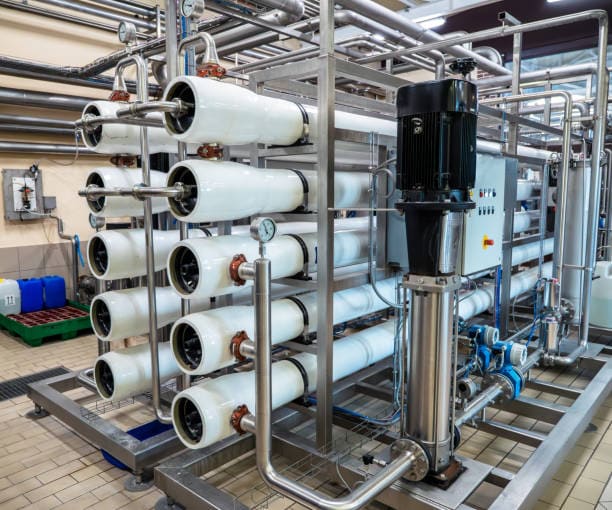
Our Reverse Osmosis Installation Process
Step 1: Consultation
Contact us to discuss your water quality concerns. We’ll answer your questions and help you understand if RO is right for your home.
Step 2: Water Assessment
[VERIFY IF WE CONDUCT WATER TESTING] We’ll assess your water quality to ensure RO is the right solution. Some homes may benefit from additional filtration components. Consider starting with our Water Quality Testing service.
Step 3: System Selection
We’ll recommend the right RO system for your home. Options include different capacities, configurations, and additional filtration stages based on your water quality.
Step 4: Professional Installation
Our licensed plumbers install your RO system with care. We connect to your water supply, install the storage tank, mount the faucet, and ensure everything works correctly. We handle every detail so you don’t have to.
Step 5: System Testing
We test your system thoroughly, checking for leaks, pressure, and water quality. We make sure your RO system is performing as it should before we leave.
Step 6: Customer Education
We explain how your RO system works, how to maintain it, and when to change filters. You’ll understand your system completely.
Step 7: Ongoing Support
We’re available for filter replacements, repairs, and maintenance. Your RO system is designed for years of reliable service, and we’re here to help you protect your investment.
Maintenance: Keeping Your RO System Performing
Filter Replacement
Pre-filters and post-filters typically need replacement every 6-12 months. The RO membrane lasts 2-5 years depending on water quality and usage. Regular replacement ensures your water stays pure.
Sanitization
Systems should be sanitized periodically to prevent bacterial growth. [VERIFY SANITIZATION RECOMMENDATIONS]
Tank Maintenance
The storage tank may need air pressure adjustments over time to maintain proper flow. This is simple maintenance that keeps your system working well.
Professional Service
We offer filter replacement and system maintenance services. If your existing system needs attention, visit our Reverse Osmosis Repair or RO System Repair pages.
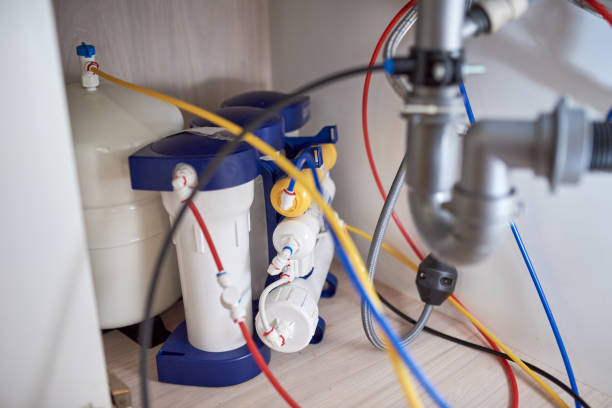
Frequently Asked Questions About Reverse Osmosis
Is reverse osmosis water safe to drink?
Yes. RO water is safe and healthy. The process removes contaminants while leaving water that is pure and refreshing. RO water is similar to distilled water in purity.
Does reverse osmosis remove beneficial minerals?
RO removes minerals, both good and bad. However, the minerals removed are not essential for health. You get plenty of minerals from food. Many people prefer the pure taste of RO water.
Do you offer RO repair services?
Yes. We repair all major RO system brands. If your existing system needs service, visit our Reverse Osmosis Repair page.
How much water does RO waste?
Older RO systems waste 3-4 gallons for every gallon of purified water. Modern systems are much more efficient. [VERIFY WASTE RATIO] The waste water is used to flush contaminants away.
How much does an RO system cost?
Costs vary based on the system and installation complexity. Contact us for a customized quote. Most homeowners find RO systems pay for themselves compared to bottled water costs.
How often should I change filters?
Pre-filters typically need replacement every 6-12 months. The RO membrane lasts 2-5 years. We provide specific recommendations for your system.
Can I use RO water in coffee and tea?
Absolutely. Coffee and tea made with RO water taste noticeably better because there are no minerals or contaminants affecting the flavor.