
Professional Water Quality Testing
You brush your teeth with it. You cook with it. You bathe your children in it. But do you really know what’s in your water?
Most homeowners don’t. They notice the signs—cloudy glasses, dry skin, strange odors—but they never get answers. They guess at solutions, waste money on the wrong systems, and continue living with water that doesn’t meet their expectations.
Legend Plumbing offers professional water quality testing that finally gives you answers. Not guesses. Not marketing hype. Just clear, accurate information about what’s actually coming out of your taps.
The Problem With Guessing About Your Water
Here’s what happens when homeowners skip testing:
You buy the wrong system. A water softener won’t fix a chlorine problem. A carbon filter won’t remove hard water minerals. Without knowing what’s in your water, you’re shopping blind.
You spend too much. Many homeowners purchase expensive systems they don’t need while missing the real problem. Testing tells you exactly what to invest in.
You miss hidden issues. Some contaminants have no taste or smell. You could have elevated lead, bacteria, or other issues without any obvious signs.
You keep dealing with the same problems. You install a system, but the spots on your dishes don’t disappear. The dry skin persists. The water still tastes off. Why? Because you treated the wrong issue.
Professional testing eliminates the guesswork. You get a complete picture of your water quality so every dollar you spend goes toward solving the real problem.
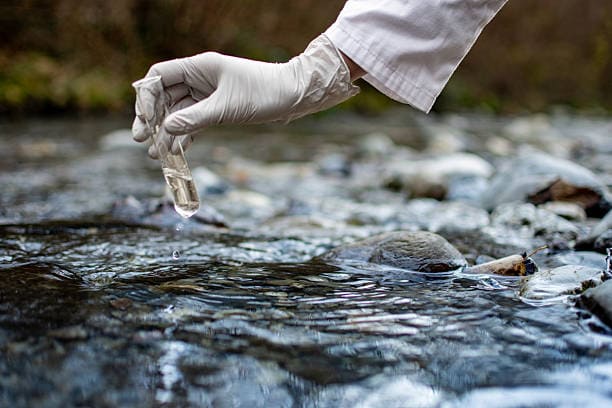
What We Test For
Hard Water Minerals
Hard water isn’t dangerous, but it is annoying. Calcium and magnesium leave white scale on your fixtures, spots on your dishes, and residue on your skin. Testing tells us exactly how hard your water is so we can recommend the right softener.
Chlorine and Chloramines
Municipal water treatment adds chlorine to kill bacteria. But the levels that keep water safe can also make it taste and smell like a swimming pool. Some people find the odor unpleasant. Others worry about long-term exposure. Testing shows you exactly how much chlorine is in your water.
Sediment and Particles
Cloudy water or visible specks mean sediment. This could come from aging pipes, well water, or the municipal supply itself. Sediment clogs appliances, dulls dishes, and makes water look unappealing.
Iron and Manganese
These metals create rust-colored stains on sinks and tubs. They give water a metallic taste. In high concentrations, they can damage appliances. Testing identifies whether iron or manganese is causing your staining issues.
Hydrogen Sulfide
That rotten egg smell has a name: hydrogen sulfide. It’s common in well water and sometimes in municipal supplies. It doesn’t usually make you sick, but it does make showering, cooking, and drinking unpleasant. Testing confirms whether sulfur is the source of your odor.
pH Imbalance
Water that’s too acidic can corrode your pipes. Water that’s too alkaline can leave deposits. Testing ensures your water’s pH is balanced and not damaging your plumbing.
Bacteria
For well water owners, bacterial testing is essential. We check for coliform and other microorganisms that could affect your family’s health. Well water isn’t treated like municipal water, so regular testing is the only way to know it’s safe.
Heavy Metals
Older homes with lead pipes or brass fixtures can leach lead, copper, and other metals into your water. There’s no taste or smell, but the health implications are serious. Testing detects these hidden threats.
How Water Testing Works
Step 1: We Come to You
Call us to schedule a time. We’ll send one of our licensed plumbers to your home at your convenience. No need to collect samples yourself or figure out what to test for. We handle everything.
Step 2: We Collect Samples
Our technician follows proper protocols to collect water samples from your taps. We make sure samples aren’t contaminated and represent your actual water quality. For well water, we may collect multiple samples from different locations.
Step 3: We Analyze
[VERIFY WHETHER TESTING IS DONE ON-SITE OR SENT TO A LAB] We use professional testing equipment to analyze your samples. We’re looking for the contaminants and conditions most common in our area.
Step 4: We Explain the Results
This is where the value really shows. We don’t just hand you a report with confusing numbers. We sit down with you and explain:
-
What each result means in plain language
-
Whether levels are normal or concerning
-
What action to take (or not take)
-
What options are available if treatment is needed
Step 5: We Recommend Solutions
If testing reveals issues, we recommend specific solutions. Not a generic system that might work. The right system for your specific water quality challenges. We explain your options, provide clear pricing, and help you decide what makes sense for your home and budget.
Why Testing Comes Before Treatment
A water softener removes calcium and magnesium. That’s it. It won’t remove chlorine. It won’t remove sediment. It won’t fix sulfur odors.
A carbon filter removes chlorine and some chemicals. It won’t soften hard water. It won’t remove heavy metals.
A reverse osmosis system removes a wide range of contaminants. But it only treats the water at one tap, not your whole house.
A whole-home filtration system removes sediment and chlorine. It won’t soften hard water without a softener component.
Without testing, you’re choosing a system without knowing what you need. It’s like buying medicine without knowing what’s making you sick.
Testing changes everything. You know exactly what’s in your water. You know what needs treatment. You know what doesn’t. You invest in the right system and solve the real problem.
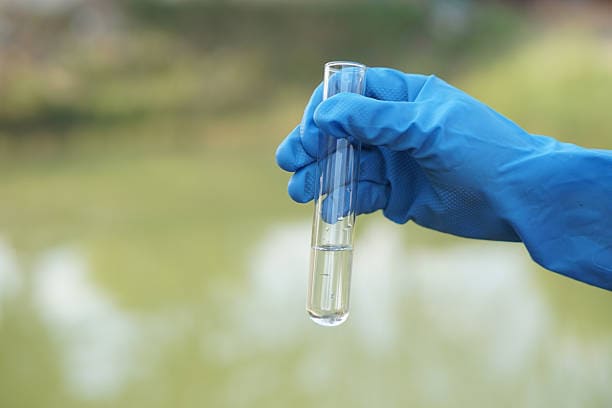
What Water Testing Won’t Tell You
Testing identifies contaminants, not health risks. We can tell you what’s in your water and compare it to recommended levels. We can’t diagnose health conditions or predict health outcomes.
Testing captures a moment in time. Water quality can change, especially with well water. Regular testing helps you track changes over time.
Testing shows the problem, not the source. If we find lead, we know you have lead in your water. We may need additional investigation to determine where it’s coming from (pipes, fixtures, or the supply itself).
Testing doesn’t automatically mean treatment. Many people test and find their water is perfectly fine. That’s a good result. You’ve eliminated worry and can move on.
Why Choose Legend Plumbing for Water Testing
We’re Plumbers, Not Salespeople
We don’t test your water just to sell you a system. We test because it’s the right thing to do. If your water is fine, we’ll tell you. If there’s an issue, we’ll recommend solutions—not because we want to sell something, but because it’s our job to solve plumbing problems.
We Understand Local Water
Every region has unique water quality challenges. We understand the specific issues in our area—the limestone aquifer, the hard water, the well water concerns. That knowledge helps us interpret test results in context.
We Test for What Matters
Some companies test for dozens of contaminants and charge you for every one. We focus on the contaminants that actually affect your water quality and daily life. You get answers without unnecessary costs.
We Explain Everything Clearly
Confusing reports don’t help anyone. We translate technical results into plain English. You’ll understand exactly what’s in your water and what (if anything) to do about it.
We Offer Complete Solutions
Testing is just the beginning. If treatment is needed, we can install the right system. We offer water softeners, whole-home filtration, reverse osmosis, and specialized systems. You don’t need to piece together separate companies for testing and installation.
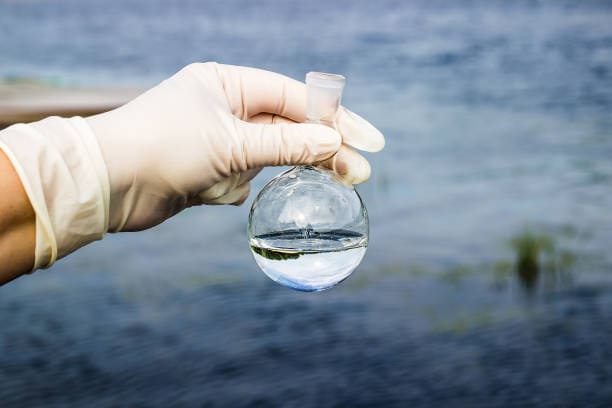
Frequently Asked Questions About Water Quality Testing
How often should I test my water?
For municipal water customers, test whenever you notice changes in taste, smell, or appearance. If everything seems fine, testing every few years is reasonable. For well water owners, we recommend annual testing for bacteria and nitrates, plus testing whenever you notice changes.
What's the difference between a DIY test kit and professional testing?
DIY kits can identify basic issues like hard water or chlorine presence. But they’re often inaccurate, test for limited contaminants, and don’t provide expert interpretation. Professional testing is comprehensive, accurate, and includes explanation of results.
Do you test for lead?
Yes. Lead testing is available if you have older pipes or brass fixtures. Lead has no taste or smell, so testing is the only way to know if it’s present.
How long does testing take?
[VERIFY TESTING TIMELINE] The process typically takes [TIME FRAME] from sample collection to results. We’ll provide a specific timeline when you schedule.
What if my water tests positive for bacteria?
If bacteria are detected in well water, we’ll recommend treatment options. This may include chlorination, UV treatment, or other solutions depending on the situation.
What's the most common issue found in local water?
Hard water is the most common issue we see. The calcium and magnesium in our limestone aquifer create hard water that affects fixtures, appliances, skin, and hair.
Can I test my well water for bacteria?
Absolutely. Bacterial testing is one of the most important tests for well water. It should be done at least annually.